Prairie Architecture Style: Key Characteristics and Historical Background
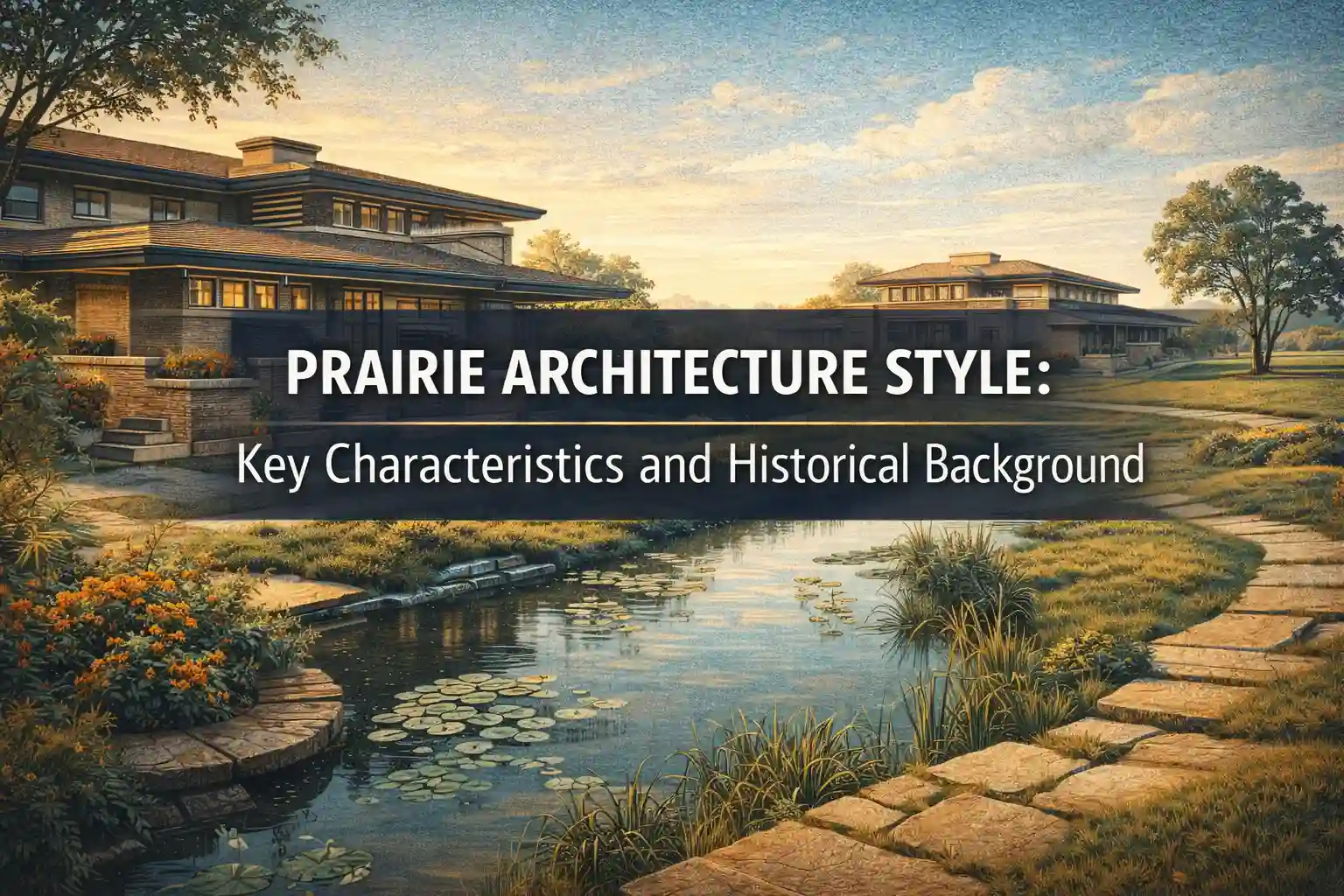
Prairie Architecture Style is a unique American architectural style. It became popular in the late 19th and early 20th centuries. This style changed the way people thought about home design. The name of this style comes from the open landscapes of the American Midwest. It inspired the horizontal lines and low-profile designs.
If you want to create a unique style according to your priorities. It is highly recommended to seek help from the Best visualization company and design the overall space. Experts provide three-dimensional images and animation of your proposed concepts. The best thing about these services is that you can make a quick decision without wasting money!
Read our guide to understand Prairie Architecture Style, its Key Characteristics and Historical Background!
Historical Background
Prairie Architecture started around 1900 in Chicago, Illinois. It was considered as one of the first real American building styles. However, it did not copy European designs.
Before this style:
- Most American homes copied European buildings
- Houses were tall and narrow
- Roofs were steep
- Designs had heavy decorations
This style grew during a time of big changes in America:
- Cities were growing fast
- More people were moving to new areas
- People wanted fresh and modern designs
Architects found ideas in nature. This helped them to create homes that felt Simple, Natural. Open and Modern.
Frank Lloyd Wright
He was the most famous architect of the Prairie School movement. He didn’t create this style alone. But he perfected them with time. He believed that buildings should combine with natural things. He wanted homes to feel connected to the earth.
Key Characteristics of Prairie Architecture
Horizontal Lines and Low Roofs
The best feature of Prairie Architecture is its importance on horizontal lines. Main horizontal features include:
- Low-pitched roofs with broad, overhanging eaves
- Emphasis on long, continuous lines
- Buildings that appear to hug the ground
- Terraces and balconies that extend the horizontal reach
Open Floor Plans
These homes changed interior designs. Because it consisted of living spaces.
Instead of many small rooms, this type of Architecture featured connected spaces.
Interior design elements include:
- Some walls divide the main living areas
- Kitchen and living room flow together
- Central fireplaces are the heart of the home
- Built-in furniture and cabinetry
- Natural transition between indoor and outdoor spaces
Natural Materials
The architects of this style believed in using materials that came from nature. They wanted buildings to feel organic and connected to nature.
Commonly used materials are as follows:
- Brick and stone for exterior walls
- Wood for trim, beams, and built-ins
- Stucco for wall surfaces
- Glass for windows and doors
- Natural colors that blend with the landscape
Windows and Natural Light
Windows are one of the main features of Prairie Architecture. They are designed to maximize the sunlight inside the building.
The main features are:
- Bands of windows arranged in horizontal rows
- Art glass windows with geometric patterns
- Windows grouped together rather than scattered
- Casement windows that open outward
- Windows placed to frame views of nature
Geometric Patterns
This type of Architecture rejected the heavy use of features. Instead, it used simple patterns inspired by nature.
Decorative elements:
- Straight lines
- Right angles
- Stylized natural motifs
- Art glass designs with geometric patterns
- Simple, clean trim work
- Integration of decoration into the structure
Strong Connection to Site
These types of homes were designed specifically for their locations. Architects use to study the land in detail so that they design houses that fit naturally into its surroundings. The features are:
- Buildings oriented to take advantage of views
- Landscaping integrated with architecture
- Terraces and porches extending into nature
- Use of local materials when possible
- Consideration of sun, wind, and seasonal changes
How Prairie Architecture Influences Modern Buildings
This Architecture changed into modern architectural movements. The open floor plans and connection to nature influenced later styles. This includes:
- Mid century modern architecture
- Ranch style homes
- Modern organic architecture
- Modern design principles
Preservation Efforts
In this modern industry, these types of buildings are protected as historical buildings. Organizations work to restore these important pieces of American architectural history. There are various houses of this style that still attract thousands of visitors each year.
The rules of Prairie Architecture remain relevant today. Architects still draw inspiration from its emphasis on:
- Using natural surroundings
- Sustainable local materials
- Open and flexible living spaces
- Simple and elegant design
- Connection between indoor and outdoor spaces
Conclusion
Prairie Architecture shows an important moment in American design history. It was the first architectural style born in the USA. This shows the values of America and its landscapes. However, through the concepts of the architects who created this style, changed the way people think about buildings and their connection to nature.