American Craftsman Architecture: Origins, Design Principles and Features
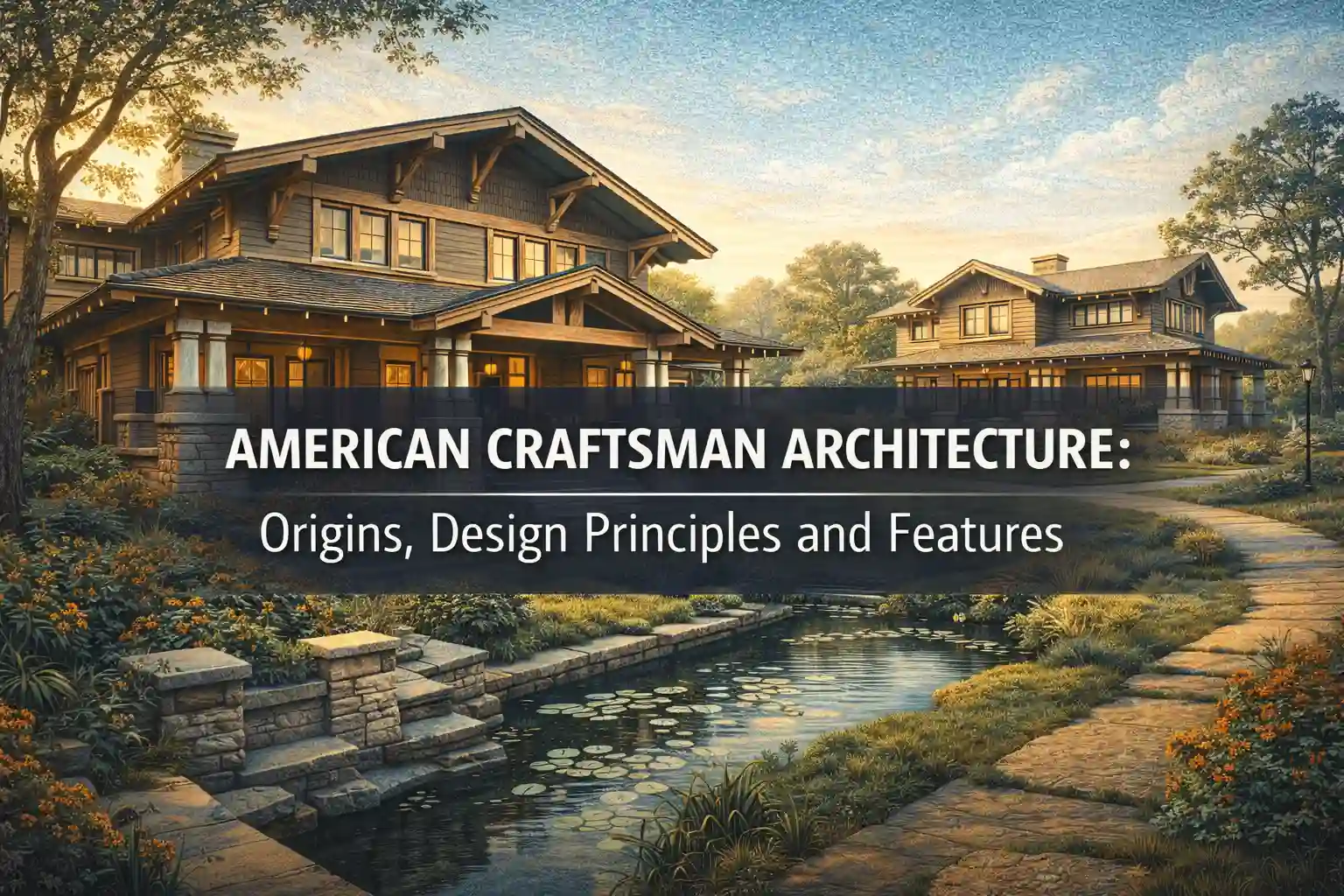
American Craftsman architecture is one of the most easily recognizable styles in the USA. This style provides a warm and welcoming appearance. It is designed with the use of natural materials. Even today, modern people love to give a natural touch to provide the best visuals to the visitors.
If you are also inspired by old buildings, then you can also design your modern buildings by using such features. By hiring the best visualization company, you can combine different features to create a unique one. Investors can experiment with different layouts and designs. Visualizers provide 3D visuals in terms of images and animation.
Read our guide to understand American Craftsman Architecture, its Origins, Design Principles, and Features!
The Origins
This style developed in the late 1800s and reached its highest popularity between 1905 and 1930. This style did not become famous suddenly. It evolved from the British Arts and Crafts movement, which began in England during the 1860s.
In Britain, designers believed that factory-made products were damaging traditional rules. They felt that they removed creativity from everyday objects.
Handmade items were considered more durable. These ideas became popular across the Atlantic Ocean. However, it gained strong support in the United States.
Two important experts helped in creating this type of style in America.
- Gustav Stickley was a furniture maker from New York. He began publishing a magazine titled The Craftsman in 1901
- The magazine promoted simple design and included house plans that readers could purchase
Major Design Features
- Wood was left natural to display its grain
- Stone and brick were not concealed or heavily treated
- Exposed beams and visible joinery highlighted skilled construction
- Natural materials strengthened the connection to the environment
- Wide windows allowed natural light and outdoor views inside
- The overall design respected the natural setting
Quality Over Quantity
Rather than filling homes with inexpensive decorations. The experts focused on thoughtful elements:
- Fewer decorative items were used
- Each element served a clear purpose
- Built-in furniture reduced clutter and improved efficiency
Simplicity and Function
Thai type of architecture is emphasized on practical layouts and functional beauty. Decoration came from natural materials. They did not add any unnecessary detail.
Distinctive Exterior Features
The front porches were big and covered. These porches were almost spread across the entire front of the house. They are considered as one of the best outdoor living spaces.
You can consult the most Realistic Architectural Rendering Services to use these features in your buildings. It also has the following features:
- Thick square columns support the porch roof
- Columns are commonly made of stone, brick, or wood
- Tapered shapes create a strong and grounded appearance
Low-Pitched Roofs
These houses have sloping roofs and has the following features:
- Broad eaves protect walls from rain and sun
- Exposed rafters or decorative brackets are often visible
- Structural elements are displayed rather than hidden
Exterior Materials
The exterior of Craftsman homes is designed with the help of natural materials:
- Wood siding that includes shingles
- Stone or brick used for foundations and porch supports
- Earth-tone colors such as brown and others
- Minimal paint to allow natural textures
Window Design
Windows in such homes are carefully designed. Double-hung windows are common. It also consists of multiple small panes in the upper sash and a single pane below.
Prominent Chimneys
These architecture types also include large chimneys made of brick or clinker brick. These chimneys are often placed on the exterior of the home.
Interior Characteristics
Open Floor Plans
The interiors of such homes were more open. Living rooms and dining rooms were connected through big openings. This creates a sense of flow while maintaining defined spaces.
Built-In Furniture
These homes are popular for their built-in features.
- Window seats with storage below
- Bookcases surrounding fireplaces
- Built-in china cabinets in dining rooms
- Benches in entryways
- Plate rails and display shelves
Natural Woodwork
Natural wood finishes are the main element of its interiors. Oak and other hardwoods are left natural.
- Wood trim frames doors and windows
- Beamed ceilings add warmth and depth
- Painted wood surfaces are avoided
Fireplaces
Fireplaces are the main feature of the living rooms. Decorative tiles were also inspired by nature.
Color Schemes
Interior color selections are inspired by nature.
- Warm browns + tans
- Soft greens + golden tones
- Deep reds + burnt oranges
- Creamy neutral shades
Final Words!
American Craftsman architecture offers a lasting impression on residential design. These buildings still exist today. They are mostly found in California and the Midwest. These homes are still popular because they offer quality construction. Plus, people are inspired due to its natural beauty. However, this design showed that good design do not need to be expensive. Natural materials and skilled workers create a beautiful design. So, rely on experts to design your spaces to save overall budget.