
Beaux Arts Architecture: A Grand Legacy of Classical Elegance
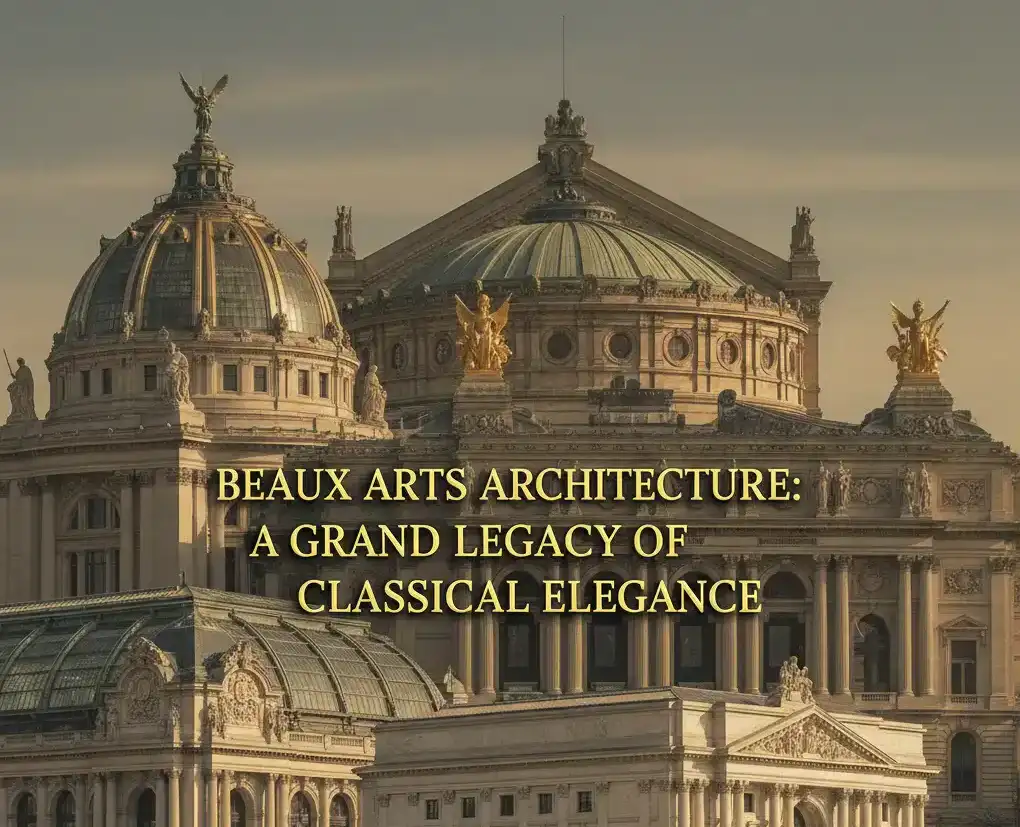
The Beaux Arts architecture style is one of the most inspiring styles in Western history. It had a lot of features, from small-scale to classical details. This architectural type was quite popular among others in Europe and North America. However, it is the combination of Greek and Roman buildings with Renaissance design. These buildings are large, and they are made to show beauty. It is mostly seen in museums, libraries, etc.
Get Realistic Architectural Rendering Services from a reliable source and design your spaces uniquely. Plan everything carefully so the building looks neat. Beaux-Arts buildings are very decorative and are well-organized from the inside.
Short History
The Beaux Arts style began at a famous art and architecture school. This taught students how to design buildings using ideas from ancient Greek and Roman architecture. The focus was on planning and keeping the design well-organized. Students from many countries came to study and then later used the ideas back in their countries.
In the late 1800s, this style became popular in Europe and America. This was the time of economic growth. However, countries wanted beautiful buildings to show their strength.
- Used for public and government buildings
- The 1893 Chicago World’s Fair helped spread the style
- Lost popularity after World War I
- Replaced by simpler modern styles
Defining Characteristics of Beaux Arts Architecture
Monumental Scale and Symmetry
These buildings are made to look very grand. They are perfectly balanced on both sides. The front side of the building looks formal with a big center entrance. This gives a strong feeling of order and balance.
Classical Orders and Details
These buildings use design ideas from ancient Greek and Roman buildings. In this type, the most common features include:
- columns
- flat wall columns
- triangular shapes above doors
- detailed horizontal bands.
These details are clearly followed by rules. Even though the style is old, these classical details were often adjusted to fit modern buildings.
Rich Ornamentation
The best features include:
- Sculptural elements such as statues, etc.
- Decorative things above arched windows
- Balustrades along rooflines
- Elaborate interior decoration
Polychromy and Material Variety
Architects used contrasting materials and colors to create visual interest. These buildings combined light-colored stone with darker granite. It used:
- marble columns
- featured terracotta ornament
- metals like bronze
This approach adds depth and richness to the exterior.
Arched Openings
The ground floor of these buildings uses rough-textured stone. This makes the structure look strong. Windows and doors are in an arch shape. These arches are often placed in a repeated pattern.
Mansard Roofs and Dome
Many buildings have sloped mansard roofs. It came from the French design. These roofs had small windows that were decorated.
Large domes were also common, especially on government buildings. The reason to put them on top is that they should be seen from a distance.
Examples Around the World
Grand Central Terminal
Grand Central Terminal exemplifies the Beaux Arts style with its grand facade and majestic main concourse. The Terminal’s coffered ceilings and marble finishes made the building an architectural masterpiece and transformed transportation into an art form.
Paris Opera House
It is the most recognized building in the world, branching off Beaux Arts Architecture. The grand staircase, decorated facade, and the oddly decorated auditorium exemplify the McDonald effect associated with Theaters in America. The building is excessively decorated with sculptures, paintings, gilded finishes, and magnificent marble.
Public Library Main Branch
By the design’s Beaux Arts principles, the Stephen A. Schwarzman Building exhibits an architectural democracy with design accessible to all. The building’s marble facade, grand staircase with lion sculptures, and richly decorated reading rooms illustrate symmetry in design, in a grand style.
Union Station
The design by Daniel Burnham combines Roman monumental architecture with modern functionality. Inspired by ancient Roman baths, the structure features a barrel-vaulted main hall and richly detailed coffered ceilings, creating a sense of scale and classical grandeur.
To accurately visualize such architectural details and ensure the right balance of materials and color combinations, outsourcing your project to a professional architectural visualization company is a smart choice. High-quality visualizations help translate historical design intent into precise, build-ready outcomes.
Final words!
Today, many Beaux Arts buildings have been restored. They are valued due to their features and in highlighting the urban character. This style is more focused on public spaces for modern architecture. This shows that buildings serve cultural functions. In a time of minimal design, these structures still inspire several people. If you also want to create your own unique design. The best thing is to get expert help from visualizers. They provide life-like visuals in the form of 3D images and animation.