
Japandi Interior Design: Blending Japanese Minimalism with Scandinavian Warmth
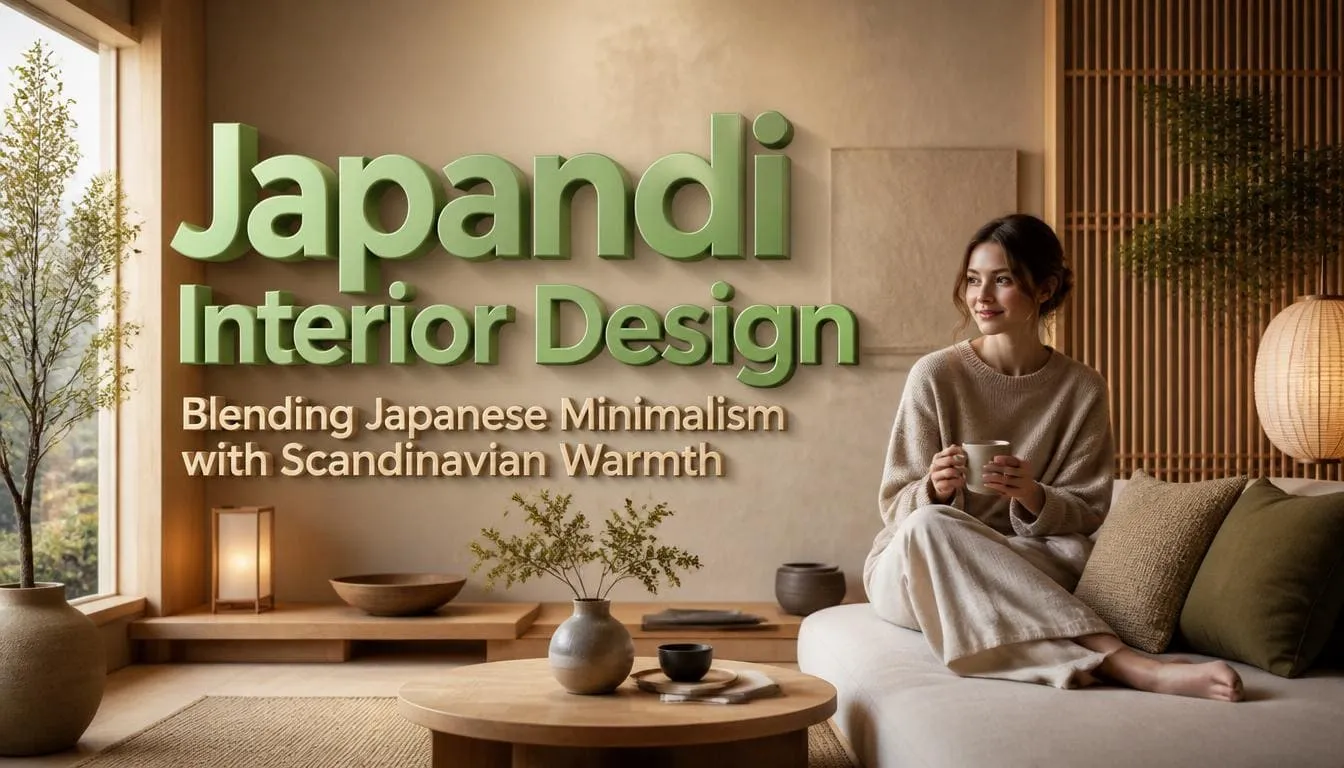
Japandi interior design is the combination of the two design principles: the simplicity of Japanese design and the comfort and practicality of Scandinavian design. It includes natural textures, neutral colors, and minimalistic interiors to bring about a calm and cozy atmosphere. The result is something in between two design cultures, which share a lot in common: less stuff, more craft, and space design for real living.
You may have looked at Japandi rooms on Pinterest or Instagram, and you wondered why the Japandi aesthetic is quite different from regular minimal design. The main reason is warmth. It is hard to visualize how a Japandi design will look in any particular interior. This can be made easier by taking help from expert 3D interior rendering services. They help visualize the room with the furniture, colors, materials and overall design before the final design is created.
What Is Japandi Interior Design?
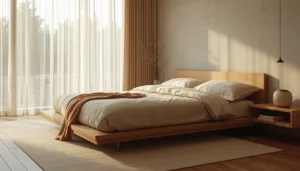
Japandi design mixes two designs named Japanese wabi-sabi philosophy and Scandinavian hygge. This Japanese philosophy is one of acceptance of imperfection, aging and simplicity. Comfort, soft fabrics and useful beauty are all hallmarks of hygge.
Both designs arose from real needs. Japanese design culture emerged from the constraints of limited space and from respect and appreciation for craftsmanship. Scandinavian houses have developed in response to their long, dull winters and the requirement for “warm” interior areas.
From the year 2016 onwards, designers started to use the word “Japandi”. Then it slowly gained attention over the years via blog posts and social media. It’s not a historic trend. It’s a new mix that’s created for those who seek minimalism without the cold.
Is Japandi Still Popular in 2026?
Yes. Japandi is a popular search term for home design. When Japandi as a design movement became more popular, it became known for bringing together the comfort of Scandinavia with the simplicity of Japan. Japandi focuses on long-lasting and organic materials. This meets consumer demand for minimalist interiors and home decor which lasts longer.
How Do You Actually Achieve the Japandi Look?
To create a Japandi style, here is the breakdown:
- Color palette: Use warm neutrals. It includes Oatmeal, Sand, Clay, Charcoal, and Soft moss green. Avoid all white and black paints. Both are too medical for Japandi.
- Materials: Use raw wood (oak, walnut and ash), linen, wool, rattan, stoneware and paper. Do not use glossy plastics or chrome.
- Furniture: Select furniture with low level platforms and straight lines. Japanese furniture is more toward ground and Scandinavian furniture is plusher with cushions and upholstery.
- Negative space: Leave space between furniture. A Japandi room is never tight.
- Manufactured vs handmade: Handmade ceramics, woven basketry and imperfect pottery suits this aesthetic far more than mass production.
A Simple Tip: If a furniture item or decor item doesn’t have a specific purpose or was not handcrafted, then it probably isn’t necessary.
What Colors Work Best in a Japandi Room?
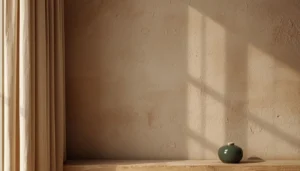
For most, warm, neutral, brown shades are good for a Japandi space. Use unbleached linens, soft taupe, warm gray and dark forest green colors.
Avoid saturated or over-contrasted colors. Use a muted color palette. The calm is disrupted by bright primary colors. Pure white walls can serve as a base but warm lighting, textured materials or anything else brings warmth and contrast. Otherwise, the room becomes cold minimalism and not Japandi.
What Are the Furniture and Materials that Come into Mind When You Think of Japandi Style Ideas?
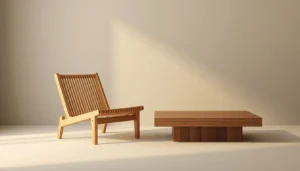
The features of Japandi furniture are natural wood, low furniture and natural materials which reveal the textures instead of hiding them. They are typically built with slatted wood chairs, low tables, platform beds and easy open shelves.
Materials matter more than brand names here. Look for:
| Material | Where It’s Used | Why It Fits |
| Oak or walnut | Tables, chairs, flooring | Warm grain, ages well |
| Linen | Curtains, bedding | Breathable and wrinkles naturally |
| Rattan/cane | Chairs, lighting, storage | Adds texture without visual weight |
| Stoneware/ceramic | Vases, bowls, lamps | Handmade imperfection |
| Wool | Rugs, throws | Scandinavian coziness |
If you love a relaxed look, it all starts with the materials. Instead of glossy finishes, Japandi Mediterranean homes feel calm. To see exactly which textures work best together, you need to know how to use natural materials in Mediterranean interior design. When used appropriately, warm, earthy materials can make a place more relaxed and welcoming.
How Is Japanese Scandinavian Design Different from Regular Minimalism or Scandinavian Design?
Japandi interior design comes in between these two styles. It is neither plain minimalism nor typical Scandinavian style.
| Style | How it feels | Colors | Amount of decor |
| Minimalism | Clean, sometimes cold | Mostly white and gray | Very little — can feel bare |
| Scandinavian | Cozy, sometimes cluttered | Bright, light tones | More decor, patterns, plants |
| Japandi | Calm and warm | Earthy neutrals | A few pieces, picked carefully |
Does Japandi Design Actually Affect How You Feel at Home?
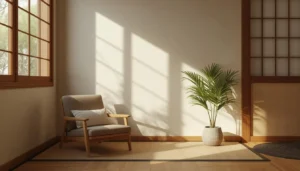
Yes, there’s research in environmental psychology that indicates that spaces that are decluttered and have a natural element to them are linked with lower stress and better concentration. It’s not exclusive to Japandi, but research has been pointing to the core elements of Japandi: visual clutter reduction and exposure to organic materials.
In the late 1980s, psychologists Rachel and Stephen Kaplan published their Attention Restoration Theory, which continues to be cited in environmental design research. This theory states that the brain recovers from mental fatigue more quickly when provided with a natural environment as opposed to a purely built, synthetic environment. This theory suggests that the inputs of Japandi are the wood grain, natural light, and organic texture.
Clutter also has a cognitive cost. A research study by Princeton Neuroscience Institute discovered that several visual stimuli in your line of sight compete for neural resources. That’s the reason why you cannot focus. Most of those competing stimuli are eliminated from a Japandi room.
How to Begin an Affordable Japandi Makeover?
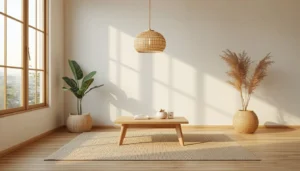
To get an affordable Japandi makeover, follow the steps given below.
- Empty the room: Eliminate all superfluous elements. This is free and does the most visual work.
- Fix the lighting: Replace harsh overhead lights with warm-toned, 2700K–3000K lights. Furniture is not the greatest way to change the mood in a room but lighting is!
- Attach one anchor piece made from a natural material: One wood coffee table or a linen sofa cover does more than five little decorations.
- Don’t layer color; layer texture: A wool throw, a jute rug, and a ceramic vase are more effective in terms of Japandi’s effect than new paint.
- Purchase used products when possible: Japandi is the concept of age and imperfection. This makes an aged table crafted from old wood or old ceramic more suitable than a new one.
Key Points
- Japandi blends Japanese imperfection and simplicity with Scandinavian comfort and warmth.
- The warm neutral colours are core colours such as sand, oatmeal, charcoal, etc. They can never be white or black.
- Primary materials include raw wood, linen, rattan, stoneware and wool.
- Japanese Scandinavian design is not regular minimalism and unlike Scandi because it’s about warmth and coziness.
- Natural-material spaces are associated with reduced attentional load.
- Decluttering and lighting should be the first two steps in making Japandi within a budget.
Conclusion
The secret of Japandi interior design isn’t the color palette or the pieces of furniture. It is about keeping only what actually matters and adding warmth in small, simple ways. Japanese design proved that there is no wasted space. And Scandinavian design tells us that a space can be simple and yet be warm at the same time. When combined, you have a home that feels calm without feeling empty and cozy without feeling cluttered. You do not need to renovate everything from scratch. Start small and remove unused objects; use lights that are warmer in colour; add real wood or rustic ceramics.
Frequently Asked Questions
Q1: Is it okay to mix the Japandi style with industrial or boho?
Mixing boho and Japandi is easier to do than mixing them with industrial. Boho's naturally produced textures like rattan and woven fibre complement Japandi's material palette. Avoid using too much industrial or exposed concrete with Japandi, or it won't look right.
Q2: Is it necessary to purchase brand new furniture to achieve a Japandi style?
No. Many of the furniture items already available can be utilized by eliminating clutter, incorporating natural material accents and selecting warmer lighting. Japandi is more about editing and selecting materials than starting from scratch.