
Neoclassical Architecture: Definition, History, Key Types, and Modern Trends
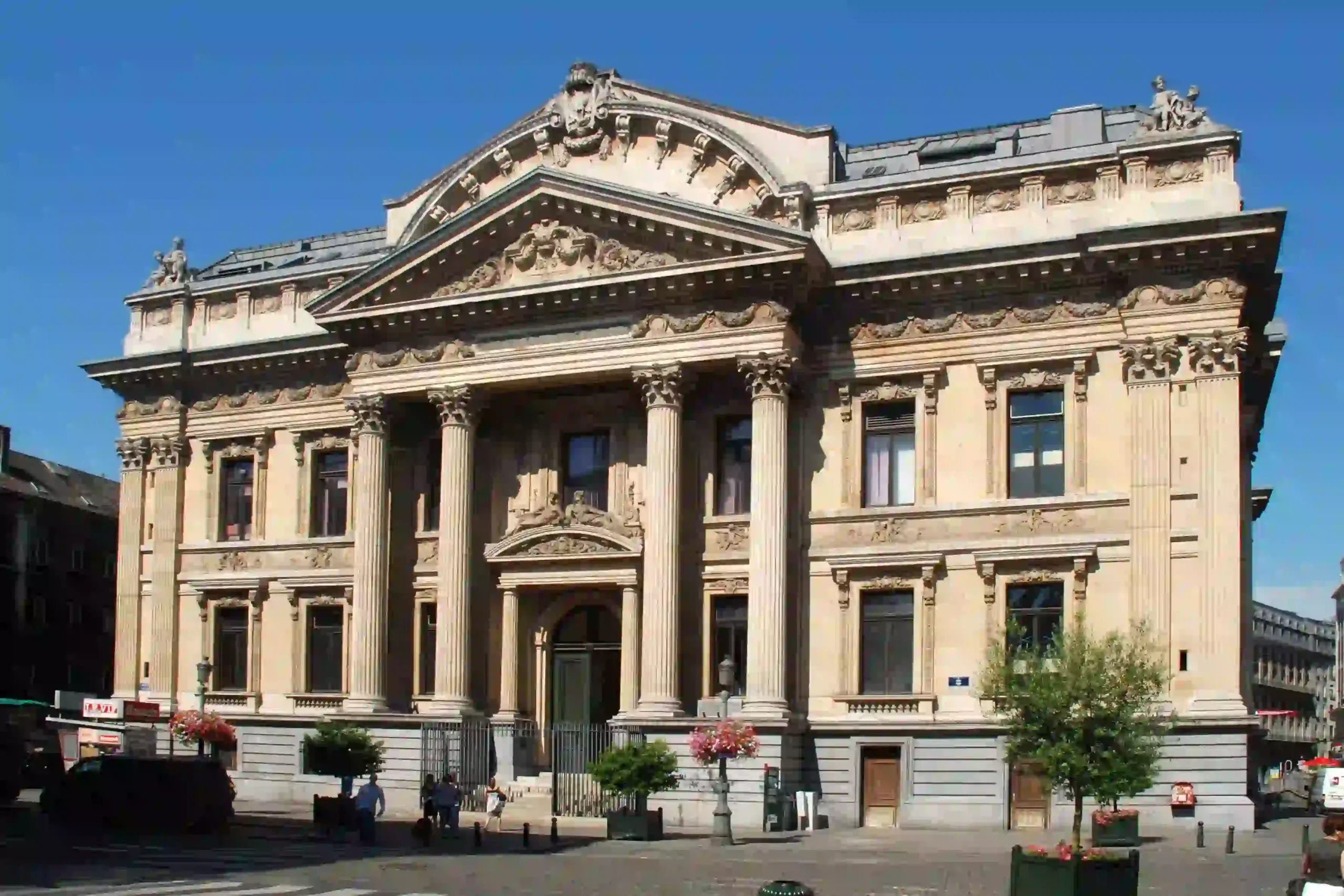
Neoclassical architecture became famous in the 18th century. It was designed against the ornate Baroque and Rococo styles. The simple classical look of ancient Greece and Rome was the inspiration. The main emphasis was on simplicity and symmetry. This type of style included grand columns, roofs, and other features.
Neoclassical Style Architecture was also designed in a way to copy modern building methods. It was not about copying old designs. Rather, it was about balancing the needs and the beauty of the buildings. If you are also inspired by such design, then you must get professional architectural rendering services from a reliable company. They can help you see the interior and exterior design of the building in a 3D form.
UNDERSTAND ALL THE IMPORTANT INFORMATION ABOUT NEOCLASSICAL ARCHITECTURE THROUGH THIS GUIDE!
Short History
Neoclassical Architecture styles became popular in the 1750s and 1760s. During this time, the excavation of ancient Roman towns, Pompeii and Herculaneum began.
They have been buried under volcanic ash since the 79 AD eruption of Mount Vesuvius. The first uncovered real architectural and artistic Roman structures. The art and architectural world became more fascinated by Roman. Greek culture led to the proliferation of classical style interpretations. Other drawings, like books by Winckelmann, and even more so the Greek temples analyzed by James Stuart and Nicholas Revett, provided rounded guidance to the artistic world of the classical style.
The Grand Tour had an effect on this style too, where rich young Europeans, particularly British, traveled to countries like Italy and Greece. They brought home copies of their sketches and classical structures, which inspired the architecture of their home countries to emulate.
The style emphasized on equilibrium and learning. At the same time, the new democracies of America and France copied neoclassicism.
The spread of neoclassicism to the Americas and the rest of Europe, particularly England, reached its climax in the first decades of the 19th century.
Key Types and Variations
Palladian Style
The Palladian style was named after Italian architect Andrea Palladio. He focused on balance and temple front designs. It took root in 18th-century England before crossing the Atlantic to the American colonies. Some of the most famous examples are Thomas Jefferson’s Monticello and his Virginia State Capitol.
Greek Revival Style
The Greek Revival style began at the opening of the 19th century. It used to follow ancient Greek designs. Structures were meant to look like Greek temples like:
- Doric
- Ionic
- Corinthian columns
In the United States and Germany, this style found very wide application.
Federal Style Architecture
Federalism grew in the U.S. between 1780 and 1830. It is less harsh, more polished neoclassicism with light weights and plain trim. Regular features are oval or half-circle windows over doors and trim made from classical patterns. This style showed the new nation’s quest for its own building identity.
Empire Style
The Empire style was born in France. It could be described as a very ornate form of neoclassicism. It showed the styles of Greek, Roman, and Egyptian motifs. This style of architecture stands out for its use of strong forms and dark colors.
Modern Trends
Modern Revival
Neoclassical architecture experienced a revival in the latter 20th and Early 21st centuries. This architectural style is currently known as “New Classical architecture”. It differs significantly from modern architecture in its use of decorations and historical elements.
Postmodern Architecture
The postmodern architects also borrowed the idea of classic designs in a more playfully creative way. Architects such as Michael Graves incorporated the use of columns and pediments, among other classic designs, not to mimic the original architecture designs, but just for visual recall. These designs were normally enlarged or colored.
Modern Public Buildings
Modern neoclassicism remains in trend today. It is common in:
- museums
- courthouses
- government buildings
A good example of this type of style is the Schermerhorn Symphony Center in Nashville, Tennessee.
Minimalist Architecture
Modern architecture styles are also inspired by neoclassical concepts. In fact, these buildings do not have any columns, they have balance, symmetry, and rational proportions. Many architects actually use classical unit scales, including the golden ratio, to compose their design elements. This proves the relevance of classical concepts to modern architecture.
It is one of the best things to get professional help from a reliable Architectural Visualization Company and build what you have expected.
Conclusion
Neoclassicism is one of the most iconic architectural styles that has left its mark on history. The rise of this architectural style was the result of the cultural transformation that took place during the Enlightenment. It is because this architectural style was characterized by themes of symmetry and simplicity.