
What Is Second Empire Architecture and Its Key Features
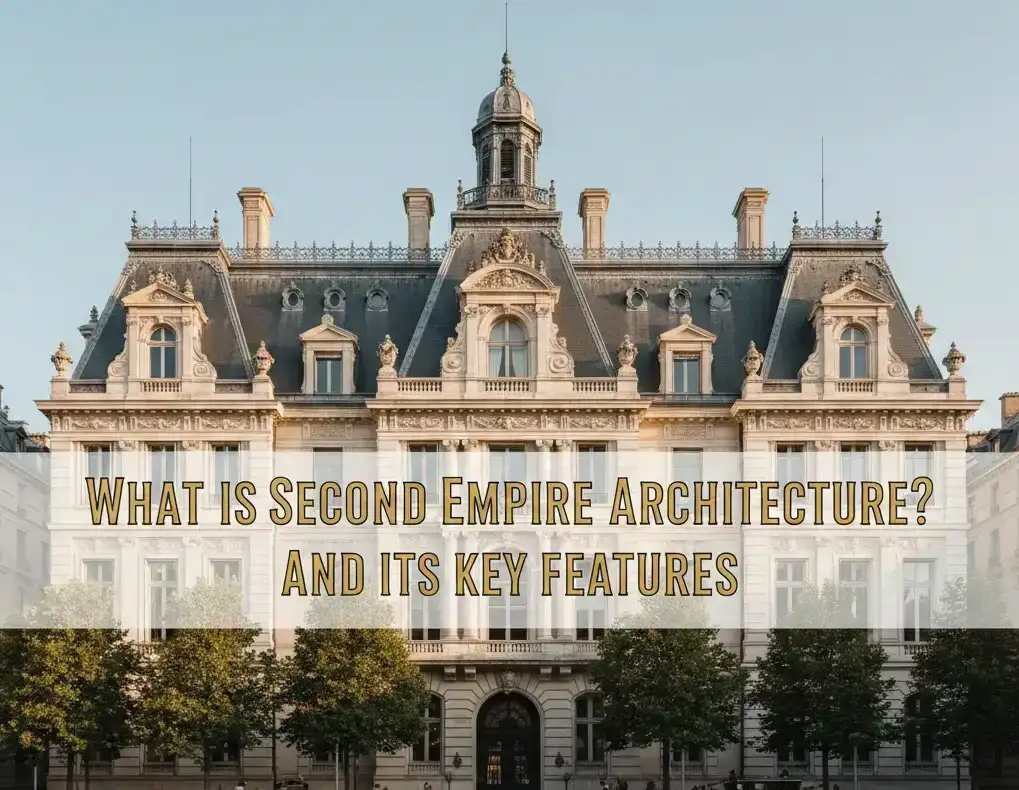
Second Empire architecture is a different type of style in history. It is considered an elegant style that became popular in the mid-to-late 19th century. After that, it became famous across Europe and North America. If you have ever seen big buildings with mansard roofs and decorative ironwork. You have seen Second Empire architecture!
If you have loved such buildings, then you can also add such features to your structures. Hiring the Best visualization company will help you achieve your desired designs. The expert visualizers provide three-dimensional images and animation. This helps investors to make the right decisions for their interior and exterior.
THIS GUIDE EXPLAINS WHAT SECOND EMPIRE ARCHITECTURE AND ITS KEY FEATURES!
The Origins
Second Empire architecture started in France during the 1850s and 1860s. This was the time of Emperor Napoleon III.
The Second Empire period was a time when Paris changed a lot. You can say it became more modern. Napoleon III redesigned the city to make it bigger and more beautiful.
Main changes in Paris were:
- Wide and straight boulevards
- Large public buildings
- Grand and stylish homes
- Better city planning and organization
However, this style did not stay only in France. It quickly spread to other parts of Europe and then to North America.
In the USA, this style is sometimes called the “General Grant style”. The main reason was that it became popular when President Ulysses S. Grant was in office.
The Mansard Roof
The mansard roof is the best feature of this type of architecture. That is why it is easy to recognize. Plus, it gives the building a unique look. The roof looks like:
- Has two slopes on each side
- The lower slope is very steep
- The upper slope is gentle
- The lower part often has dormer windows
- These windows bring light into the top floor
Plus, this type of roof was useful and beautiful because it had extra living space in the attic. Additionally, the owners did not need to pay higher property taxes.
It was famous due to the following reasons:
- Made buildings look tall and grand
- Showed wealth and elegance
- Gave structures a strong and impressive style
Key Architectural Feature
Exterior Features
- The Mansard roof with dormer windows was the main feature. It was mostly covered with beautiful tiles
- Ornate iron cresting was also one of its unique features. It was used for decoration
- Tall windows
- Elaborate cornices are used for decorative purposes
- Projecting pavilions
- Classical details were added by adding columns and other details.
- Quoins were the corner blocks
- Molded window surrounds
- Balconies and porches
Materials and Colors
These buildings were constructed from brick or stone. However, in residential buildings, the wood frames were common. Plus, the exteriors were designed with color contrast to highlight specific details.
Common exterior colors included:
- Gray
- Cream
- Brown
- Various earth tones
Interior Characteristics
The interiors of such buildings were also very popular, like the exteriors. These spaces typically featured:
- High ceilings with elaborate plasterwork
- Grand staircases as focal points
- Large rooms with generous proportions
- Detailed woodwork and moldings
- Marble fireplaces
- Parquet or patterned wood floors
- Crystal chandeliers and ornate light fixtures
Types of Second Empire Buildings
Government Buildings
This style was used in public buildings to show authority. They are large and decorated. It mostly includes:
- City halls
- Courthouses
- Administrative buildings
Residential Architecture
Rich people used to build in such a style. The most common feature used in residential architecture is the mansard roof and decorative details.
Institutional Buildings
It was also used in institutional buildings to make them practical. The most common examples are:
- Schools
- Hospitals
- Hotels
You can get Realistic Architectural Rendering Services from an expert company. It will help you add the discussed features easily.
The Style’s Popularity and Decline
In America, it became the preferred style for public buildings and homes. People who wanted to show their success used this type of architecture. But after 1880, this style became less popular over time due to the following reasons:
- Changing tastes
- Political associations
- Economic factors
- Modern preferences
Legacy
Second Empire-style buildings have great significance as pieces of 19th-century architecture. These structures represent great confidence in elaborate craftsmanship and the prosperity of the 19th-century. Although many buildings have been preserved and restored as museums, offices, civic buildings, homes, etc. The relics of the past are great for historical tourism. These buildings are the most important relics of the past.
Because of the great historical significance of these buildings, some communities have chosen to retain the structures, or, in some cases, the relics of the past. However, as many have complex, decorative, and detailed, the roof structures requires expensive maintenance.
Why Second Empire Architecture Matters
The architecture of the Second Empire period represents urban modernization during the Industrial Revolution. It is a reflection of the great craftsmanship, skill, and artistry of the period. The buildings of this period and style have an important social and cultural significance. They represent the values and aspirations of society during the 19th century.
Conclusion
Second Empire architecture was a creative style designed to impress. Its distinctive roof and large decorative elements make it a popular choice. This style is also incorporated into modern buildings. If you are inspired by Second Empire architecture, you can design your structures using its features, which are discussed in detail in this guide.