Rococo architecture: Definition, history, key types, modern trends
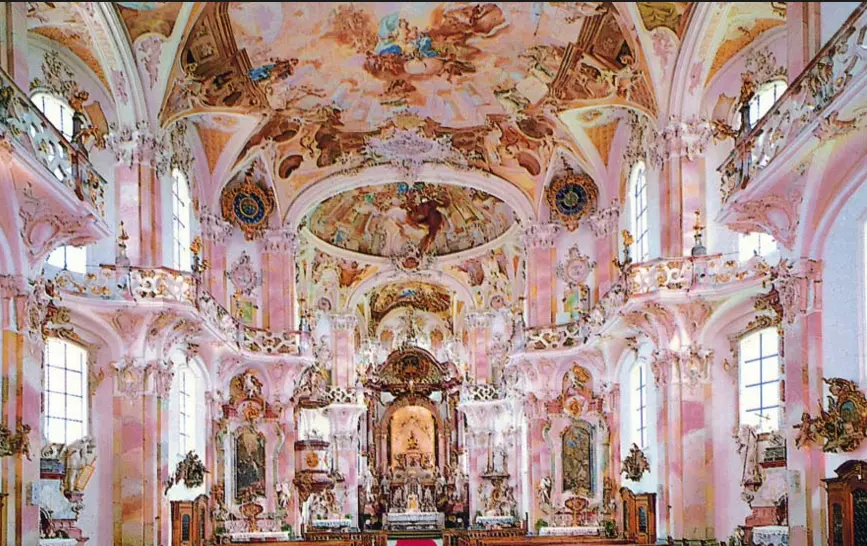
The Rococo architecture is beautiful. It is an expressive architectural style. It is known for playful details. It showed up in the 18th century. It’s a building that has artistic beauty. The designs include flowering lines and carving. This makes spaces feel lively. designers still add a touch of this design in modern buildings. We will explore the history and features of Rococo architecture in this article.
Definition of Rococo architecture
Rococo architecture is a decorative architectural approach. It focuses on beauty and artistic expression. Earlier styles focused on heavy and formal looks, while Rococo emphasized comfort and detailed artwork. While Rococo emphasized artwork that looks comfortable and joyful. It used pastel colors and delicate carving. It also used curved lines to enrich or ornament. This made rooms feel warm and filled with personality.
Rococo buildings used art as the main part of the design, walls and other parts of the building. Even furniture was treated as a work of art. Rokoko architecture style is considered the sign of creativity and craftsmanship rather than strict structural formality.
History of Rococo architecture
The roots of Rococo style architecture are found in France during the early 1700s. After grand and dramatic Baroque architecture, people wanted something lighter and comfortable. Artists and designers created a new style by focusing on softness and elegance.
Rococo spread across Europe and other countries from France. Each region added its own cultural touch to the style. German Rococo is known for its grand churches. Italian Rococo used brighter colors and dramatic painting styles. Rococo is mostly famous in palaces and theaters. Due to its timeless art and beauty, it still inspires the artists of today.
Key features of Rococo architecture
The Rococo is different from other architectural styles because of the following features.
Curved and flowering lines
Rococo used curves and natural shapes inspired by leaves and flowers. This gives the style a sense of movement and softness.
Soft color palette
The light colors were used to create a calm and fresh atmosphere.
Decorative art and carving
The wall and ceilings were made by carving and painting. They also added mirrors on the walls by making them a beautiful piece of art.
Playful and light theme
Rococo focused on joy and romance, rather than heavy religious scenes found in past styles.
Asymmetry
Designers often used patterns that were perfectly balanced and felt more natural and artistic.
These characteristics added a sense of style and beauty to the Rococo art and culture. Fans admired different types of architectural styles.
Key types of Rococo architecture
Rococo appeared in different forms. But some buildings are famous for their unique style.
Palaces and private homes:
French places and private apartments are famous for their interior decoration. These rooms include decorative mirrors. It also has crystal chandeliers.
Churches and chapels
Rococo churches became famous for their bold detailing in Austria and Germany. It was because of the bright paintings and carved architectural elements.
Salons and social spaces
Rococo salons were designed for gatherings. Soft colors and artistic details create an enjoyable environment.
Theaters and performance halls
Rococo theaters included painted ceilings and carved balconies. Graceful decoration makes entertainment feel luxurious.
Modern trends inspired by Rococo architecture
Rococo architecture still appears in modern designs. Interior designers use soft colors and flowing lines to create an elegant look in the buildings. Modern furniture also includes subtle curves and pastel tones.
Technology also plays a reviving role in the style. Architecture rendering services are used to design to create realistic images of the buildings before they are built. Clients can easily visualize the decorative walls and patterns before they confirm to proceed.
Designers also work with architectural visualization companies to create a digital model of modern buildings. These digital tools bring the old artistic style into the modern era with a modern touch, making it more beautiful and charming. Making buildings more beautiful and charming.
Rococo in today’s interior design
Rococo still inspires interior designers to add a soft and elegant touch to modern buildings. Some modern trends include:
- using light colors mixed with gold accents.
- Adding curved furniture pieces using detailed wall molding.
- Incorporating decorative mirrors.
- Placing floral or natural-inspired artwork.
Conclusion
Rococo architecture is a beautiful and inexpensive style ever created. It shaped the new way people viewed comfort and beauty in buildings. It added a new type of detail and art to the history of art. Rococo brings a sense of elegance and joy, either in its pure form or used with a blend of modern architects and designers who still use the Rococo ideas to add a new and luxurious look to their buildings and furniture.