High-Tech Architecture Explained: Origins, Materials, and Innovations
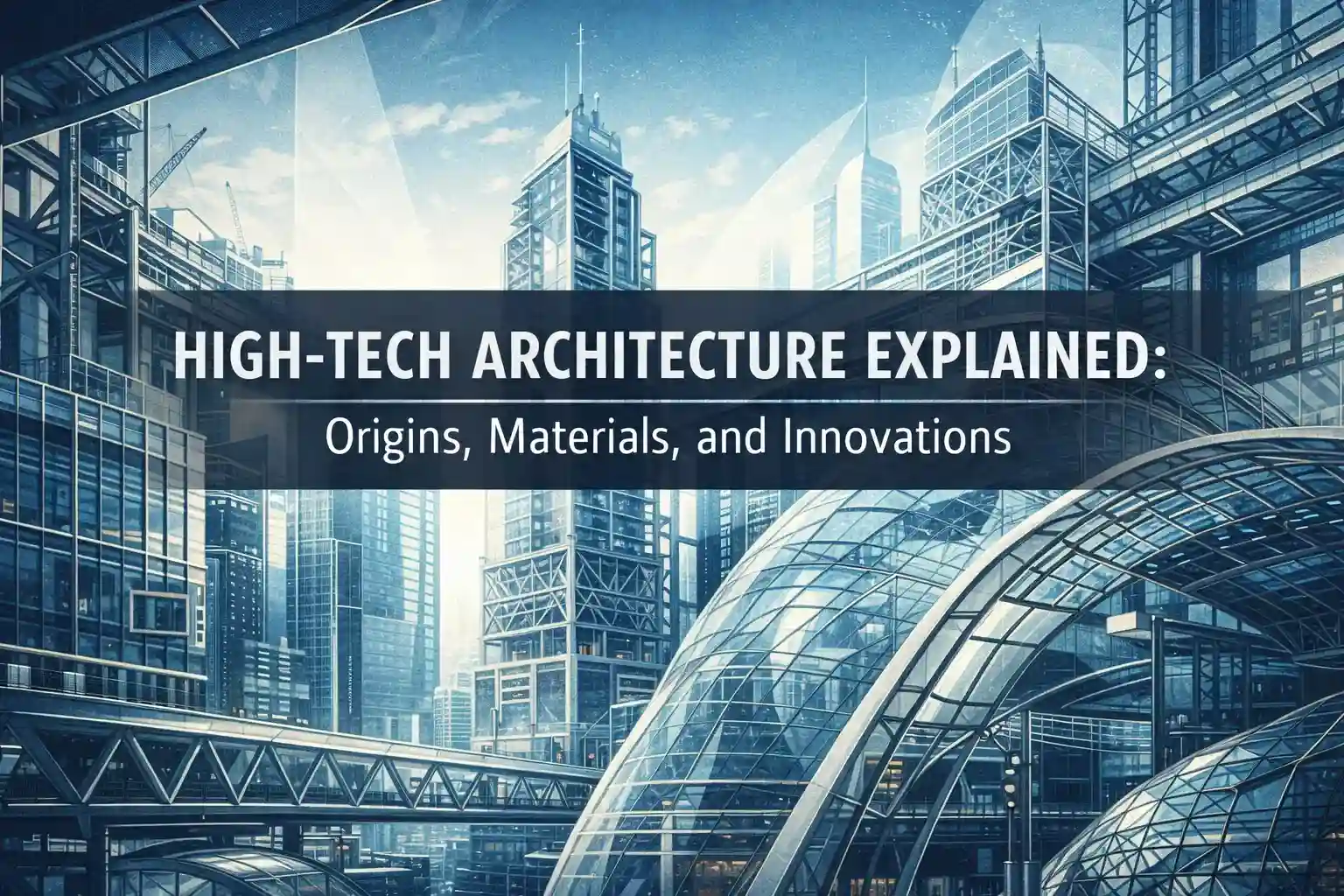
High-Tech architecture is considered as the most forward-looking movement in the built environment. In this style, new technologies are combined with other designs. That means it is changing the fact that buildings can be constructed at a completely different angle. Plus, with modern techniques, they also take less time as compared to the previous styles.
In this article, we’ll explore the origins and latest innovations changing high-tech architecture today. If you are inspired by modern designs, you can also add those features to your space. The best solution is to get the best architectural rendering services from a reliable company. They provide three-dimensional images and animation for your desired concepts about your spaces.
THIS BLOG EXPLAINS HIGH-TECH ARCHITECTURE WITH ITS ORIGINS, MATERIALS, AND INNOVATIONS!
High-Tech Architecture Explained
High-Tech architecture is a modern style that came into being in the 1960s and 1970s.
The old architecture used to hide structural components and systems. But, in this type of architectural style, structure and other mechanical elements are displayed boldly.
The architects do not blend them into the background. They show the beams, pipes, and other components intentionally. However, the most common elements are:
- Exposed structural and mechanical elements
- Emphasis on flexibility and adaptability
- Visibility of industrial components and technology
- Integration of advanced materials and engineering
Origins and Historical Development
High-Tech architecture is like modernist architecture. It became popular due to the increase in the industries. This style emerged and removed the line between engineering and design.
Late-1960s to 1970s
During this period, architects began experimenting with industrial materials. They experimented with exposing the systems to show buildings that look like machines. Most commonly, steel and glass were used. The following were the main characters behind it:
- Sir Norman Foster
- Sir Richard Rogers
- Renzo Piano
- Sir Michael Hopkins
These architects changed all the perceptions of people. They emphasezed on creating buildings like machine structures.
Distinctive Materials in High-Tech Architecture
1. Steel and Aluminum
- Provide strength with lightness. It enables large spans and open interiors
- Allow for exposed structural systems that become key visual features
- Corrosion-resistant alloys enhance durability .
These metals were central to early high-tech buildings and remain staples of the style
2. Glass and High-Performance Glazing
Glass is also the main material in the high-tech style. It consists of expansive facades, transparent walls, and other features. It provides daylight and an open feel.
Advanced systems now include:
- Double- and triple-glazed panels
- Dynamic and smart glass that adjusts opacity
- Building-integrated photovoltaics that generate energy while shading interiors
3. Smart Materials
Smart materials were also used in this Architecture types. The most common are:
- thermochromic panels
- shape-memory alloys
4. Recycled Materials
The main goal of using Recycled metals is to work with low-carbon building strategies.
Innovations Driving High-Tech Architecture Today
1. Sustainability Integration
- The main components are:
- Green roofs
- water recycling systems
- renewable energy integration
- Modern facades improve comfort and reduce energy use.
2. Digital Design and BIM
Building Information Modeling help architects and engineers to work together digitally. It guarantees accuracy in results from the start to the end of the project. These tools help in:
- Data-driven optimization of energy use
- Clash detection between systems
- Lifecycle management of buildings from concept to operation
3. Smart Building Technologies
These types of buildings now use smart sensors and automation.
For example:
- Smart lighting systems
- Automated climate controls
- Predictive maintenance using real-time data
4. Parametric Design
This design uses algorithms to generate complex forms. It helps in optimizing structures for great performance. Plus, the design generates multiple iterations. After that, it selects the best results on the basis of the required criteria.
However, these techniques allow architects to push boundaries of function like never before.
5. Biophilic Innovations
It is now common that modern buildings use biophilic designs. The main purpose is to use nature into the buildings. The architects look into those things that can improve the health of occupants. They may add:
- vertical gardens
- indoor forests
- plant-sensor networks
We recommend that you add such features to your space. The best way is to get help from a top visualization company and fulfill your needs.
Best Examples
This type of architectural style has created some of the best buildings.
Centre Pompidou
Designed by Richard Rogers and Renzo Piano.
This building design changed the usual way of building. They put the structure and building systems on the outside instead of inside.
Lloyd’s Building
This building has:
- Pipes
- air ducts
- shiny steel parts on the outside of the building
It clearly shows a modern design where everything is visible.
Contemporary Eco-Tech Examples
Many modern skyscrapers use smart outer designs.
These buildings may include:
- Moving or adjustable glass walls
- Outer surfaces that collect solar energy
- Digital systems that react to light, heat, or weather changes
Conclusion
High-Tech architecture is a strong example of modern progress. Do not consider it just how a building looks. It focused on design and technology. It shows how a building works. Pipes, structures, and systems are visible instead of hidden. Modern materials and smart technology are used. However, it is a complete combination of design and technology. This influenced architecture around the world. Plus, it also changed the way people think about buildings in the 21st century.