
Indo-Islamic Architecture Explained: Origins, Elements, and Famous Monuments
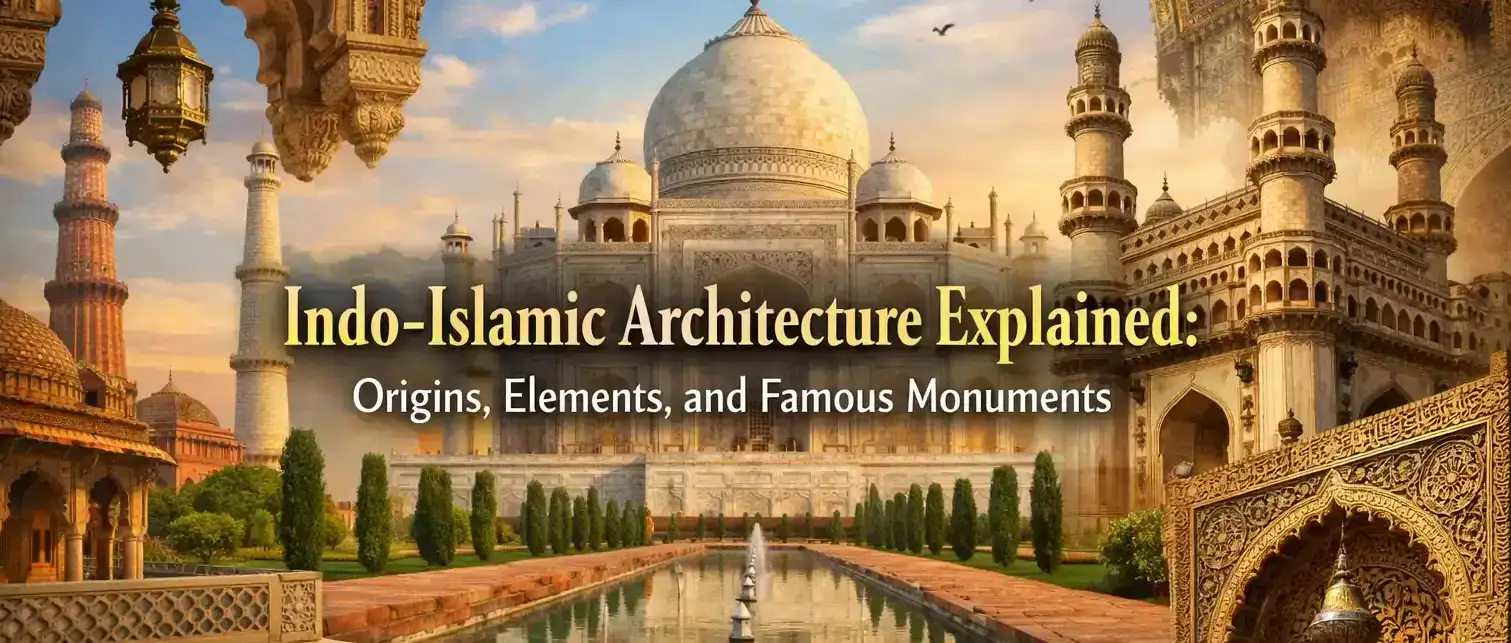
Indo-Islamic architecture is one of the most creative styles in history. Islamic design rules and Indian creativity inspire it. However, this style has been considered the main style in the Indian subcontinent. This combination creates a unique aesthetic look. It combines with Islamic architecture to create a unique look.
Various Indian traditions can be recognized through Indo-Islamic architecture. If you are planning to build your structures and want to add the touch of old features, then get Realistic Architectural Rendering Services and design your spaces. This will help you in making the right decisions in terms of project designs
THIS ARTICLE EXPLAINS THE ORIGINS, ELEMENTS, AND FAMOUS MONUMENTS OF INDO-ISLAMIC ARCHITECTURE!
Origins
This architectural style started in the early 1200s.
People and architects build the structures in their own style. These styles were based on Islamic and Persian ideas. However, it did not completely replace Indian styles. Instead, both cultures mixed.
In the beginning:
- Muslim rulers worked with Indian workers
- Indian builders had a good amount of experience with Hindu temples
- They used their old skills to build public buildings
- Designs became a mix of Islamic shapes and Indian carvings
This style became most beautiful during the Mughal period.
- They hired the best architects.
- They built famous monuments that people still admire today
Distinctive Architectural Elements
The Dome (Gumbad)
The dome was one of the most important features of this style. It was not simple like hemispheric domes. These domes consisted:
- bulbous shapes
- double shells
- elaborate finials
Later, the double dome was perfected in structures like Humayun’s Tomb. You can consult the Best visualization company to make perfect decisions for your design.
Arches and Vaults
Islamic architecture introduced the arch and the vault to India. People used to rely on the corbelled arch in the old times.
These arches were often decorated with:
- complex carvings
- inlay work
- calligraphic inscriptions
Minarets
These were like towers that were designed for the Islamic call to prayer. It was one of the most decorative and symbolic elements of this style.
They are used to serve religious functions in mosques. The minarets also appeared as architectural decorations in tombs and palaces.
Decorative Elements
- Jali Work
- Pietra Dura
- Calligraphy
- Geometric Patterns
- Floral Motifs
The Charbagh
The Persian garden became the main part of the palaces. It was divided by water channels. They were used to show the rivers of paradise. Plus, these gardens were designed to give them a look according to the Quranic paradise descriptions.
Materials and Techniques
Red sandstone and white marble were the main materials of this architecture types. The usage of marble was decorated with precious stones. It reached its pinnacle in monuments like the Taj Mahal.
Famous Monuments
Taj Mahal, Agra
It is a major example of Mughal architecture.
This emphasises mixing and combining the architectural styles from:
- Iran
- India
- Islamic
The exterior is made from white marble. The color of the stone changes throughout the day on the exterior.
The Taj Mahal also has a mosque and a guest house. These structures were all built with the same geometric accuracy.
Qutub Minar, Delhi
Standing at a majestic 73 meters, this is the tallest minaret to be made fully of brick. Each of its five tiers of this tower has a combination of angled and rounded flutes. As well as a flared corbel at each balcony.
The tower is set within a complex with the Quwwat-ul-Islam Mosque. It is one of the earliest mosques to be built in India.
Humayun’s Tomb, Delhi
This tomb was built by Empress Begum for her husband. It is the first example of the style of tomb design that would be fully realized in the Taj Mahal.
It consists of the following features:
- double dome,
- combination of red sandstone and white marble
- large gardens
Fatehpur Sikri
This was the short-lived capital of Emperor Akbar and showcases the architectural experimentation of his reign.
Conclusion
In this modern world, these structures attract a lot of tourists. Plus, they are also considered the main part of India’s culture. This style became popular when the architects wanted to create an entirely new style. This was a test to combine two different cultures. Plus, various historians still study these structures and cultures.