
Mannerist Architecture: Definition, Features, and Historical Significance
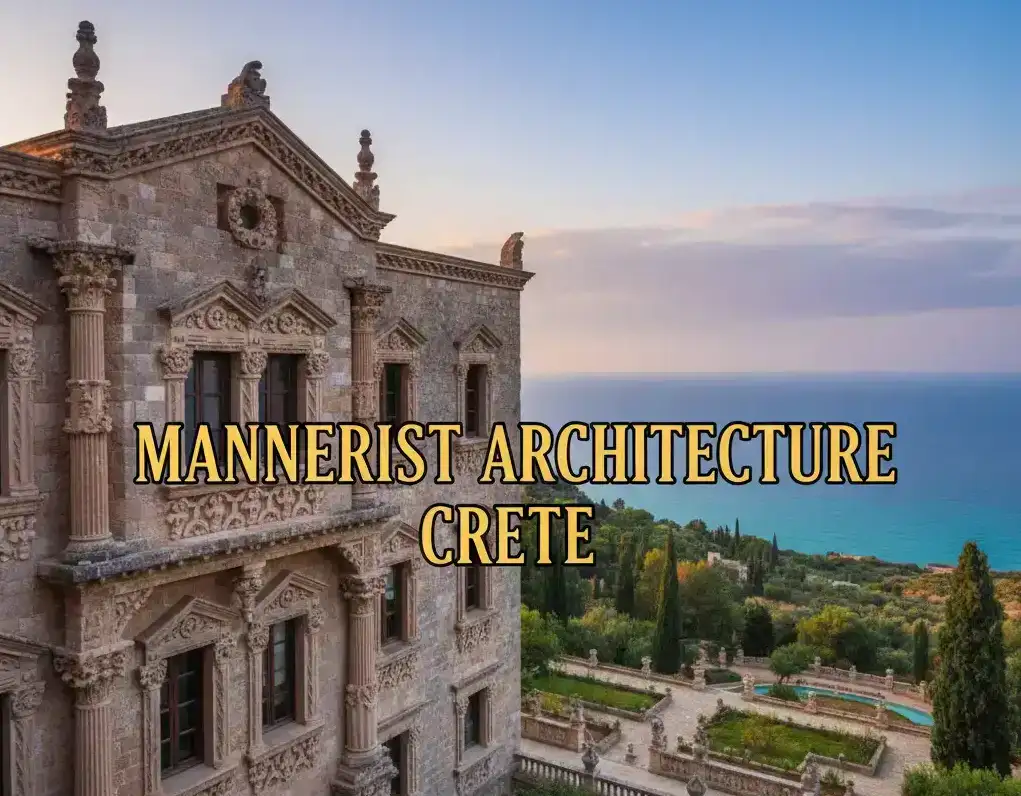
Mannerist architecture was a style of building in Italy from about 1520 to 1600. It was between the two famous styles: the Renaissance and the Baroque. Architects used to build with perfection and balance. But Mannerist architects liked to break the rules. They used different shapes and details to show their creativity to people. It was the time when architecture became more about being surprising than being simple.
However, people still use some of the features of old styles. They believe in creating unique spaces that show both old and modern touches. Most of them get the Best Architectural Rendering Services to visualize their concepts in a 3D look. This helps to design your spaces according to your ideas.
THIS BLOG EXPLORES MANNERISM ARCHITECTURE AND ITS DEFINITION, FEATURES, AND HISTORICAL SIGNIFICANCE!
Understanding Mannerism
The term “Mannerism” is derived from an Italian word. Maniera! This means style or manner of working. It is also known as stylish style.
Instead of trying to make a building look natural. Architects used to make things fake. It means that the designs are made forcibly. Whereas the old styles were an example of perfection.
However, the Mannerist architectural style wanted you to feel surprised by looking at it. If you like complex designs rather than simple ones. Then, you will also like this type of style.
Key Architectural Features
Unexpected Elements
- Architects experimented with using architectural forms to emphasize solid relationships
- Distorted classical elements were used. Such as elongated columns and oversized pediments
- Trompe effects and illusionistic perspectives
- Features that appeared structurally questionable
Complexity
Mannerist buildings were designed to look unexpected. The earlier architects designed buildings to look perfectly even. Mannerist architects liked things to be complicated. They used to create different layers of a wall on top of each other. Plus, they used broken pieces of design and made some parts big and small.
Decorative Innovation
- Elaborate surface decorations like grotesques, classical gems, and medallions
- Greater emphasis on decorative qualities than on the expression of structural relationships
- Rusticated facades with unfinished appearances
- Curvilinear moldings and unconventional window treatments
You can get help from a Top Architectural Visualization Company and use these features in your buildings. They can provide images and animation in three-dimensional form, which makes it easier to decide.
Historical Importance
Mannerism was important because the main focus was on the difficult lives of Italians. During that time, there were big fights over religion. The war also happened in which Rome was attacked.
It felt like the world was totally disturbed. Architects stopped making perfect buildings. They used to design buildings that looked complex. It was a way of showing that the world is not simple. It is not a peaceful place anymore.
Impact on culture
- Questioned the Renaissance idea that buildings must always be perfectly balanced. Plus, they must follow strict rules
- Raised the status of architects. They were also given importance, like poets and scholars
- Showed that architecture could express personal ideas and creativity
- Developed new design ideas and shapes
This showed the problems and confusion people felt during the last days of the Renaissance.
Instead of just involving nature and fixed rules. Experts designed spaces on the basis of their own thoughts and feelings.
This means that architects stopped following the same fixed rules. Instead, they designed buildings based on their own ideas and feelings. This changed both how buildings looked and how people felt when they were inside them.
Modern Relevance
The ideas of Mannerism came back again in the 20th century. Architects used Mannerist ideas in the 1960s and 1970s. They wanted to move away from strict rules. Even today, architects use Mannerist styles. They want to break normal design limits and experiment with the building’s look.
Conclusion
Mannerist architecture shows an important time when architects were brave enough to go against old rules. They wanted to use new ideas. They purposely changed the normal designs and added complexity. That is why their buildings are still interesting and inspiring today. However, this type of style shows that you do not have to always be perfect. Sometimes, it becomes powerful through creativity. In short, Mannerism added new ideas to architecture and pushed the limits.