
Tudor Architecture: Definition, History, Key types, and Modern trends
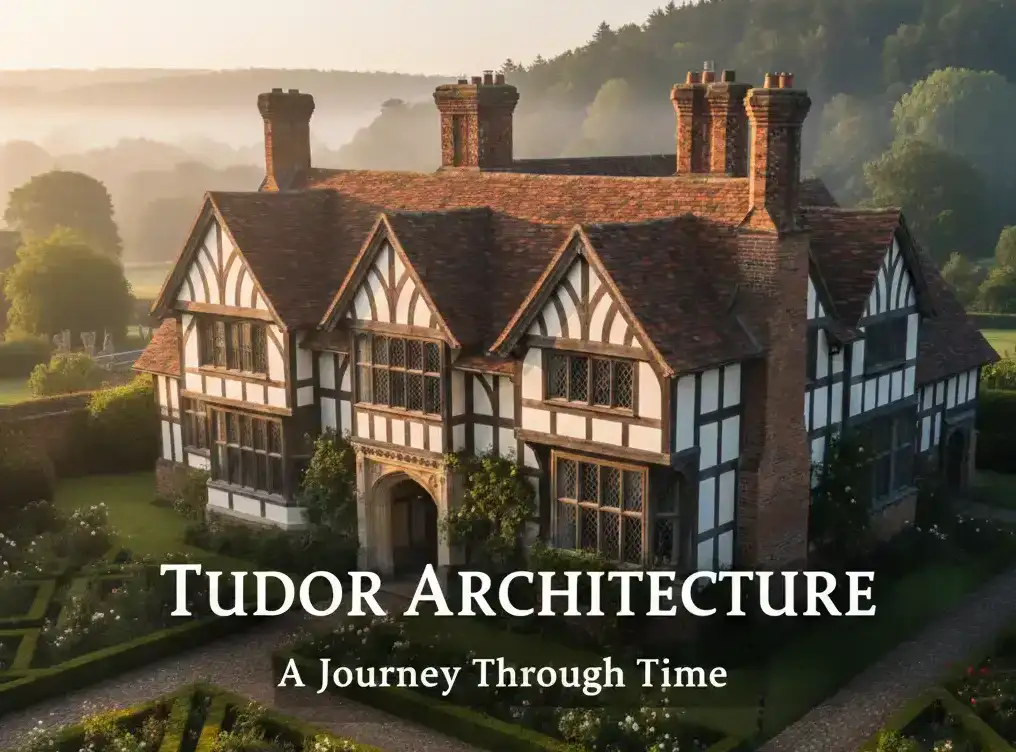
Tudor architecture is a historic building style admired for its elegance, craftsmanship, and distinctive appearance. Originating in England during the late medieval period, it combines traditional design with practical construction. Tudor buildings are known for their steeply pitched roofs, timber framing, and cozy yet grand interiors. Many Tudor-inspired homes and buildings can still be seen in modern architecture today. This article provides a clear overview of Tudor architecture, including its definition, history, features, types, and influence on contemporary design.
What is Tudor Architecture?
Tudor architecture refers to building styles that developed in England during the Tudor dynasty (1485–1603). This architectural style emphasized decorative elements, craftsmanship, and functionality. It was commonly used for residential homes, manor houses, and public buildings, and it continues to inspire modern residential designs.
History of Tudor Architecture
Tudor architecture emerged after the War of the Roses, during a period of relative stability and growing wealth in England. People sought homes that were not only strong but also comfortable and aesthetically appealing.
Early Tudor buildings were constructed using timber and stone, showcasing the skill of craftsmen through intricate woodwork and masonry. Over time, larger windows and chimneys became common, allowing more light and improved air circulation in homes. Tudor architecture eventually spread throughout England and later influenced designs in Europe and North America.
Features of Tudor Architecture
Tudor buildings have distinct features that make them easily recognizable. These elements blend functionality with beauty:
-
Steeply pitched roofs
-
Decorative half-timbering on exterior walls
-
Tall, narrow windows with small panes
-
Large brick chimneys
-
Arched doorways
-
Heavy wooden doors
These features created warm, inviting interiors while showcasing craftsmanship and style.
Types of Tudor Architecture
Tudor design evolved over time, resulting in several distinct styles:
-
Early Tudor: Simple designs influenced by medieval architecture, focusing on strength and decorative elements.
-
Elizabethan Tudor: Introduced symmetry, large windows, and decorative brickwork. Homes became more spacious and elegant.
-
Jacobean Tudor: Characterized by grand and detailed designs, often used for large manor houses with carved woodwork and elaborate interiors.
Interior Design Elements
Tudor interiors emphasized warmth, comfort, and craftsmanship. Common features included:
-
Wooden beams
-
Stone fireplaces
-
Carved woodwork
-
Cozy room layouts
Modern architects often study these interiors to recreate traditional Tudor elements in contemporary homes, including textures, ceiling beams, and layout design.
Modern Tudor Designs
Tudor-style architecture remains popular in residential neighborhoods today. Modern adaptations often include:
-
Brick and stone exteriors instead of full timber framing
-
Energy-efficient windows that preserve the traditional look
-
Open interior layouts
-
Simplified decorative details for a cleaner, contemporary appearance
Architects use modern construction techniques while retaining classic Tudor features, creating homes that blend historic charm with modern comfort.
Why is Tudor Architecture Still Popular?
Tudor architecture is admired for its timeless appeal, craftsmanship, and welcoming atmosphere. Its strong structures and historic character make it versatile, allowing architects and homeowners to combine traditional design with modern functionality. This adaptability ensures Tudor-inspired homes remain aesthetically pleasing and practical.
Tudor Architecture in Today’s Homes
Modern homes often incorporate Tudor elements to evoke a sense of tradition. Features like steep roofs, timber accents, and decorative facades are common, particularly in colder climates where the design supports durability and insulation. Contemporary materials enhance both efficiency and visual appeal while maintaining the signature Tudor style.
Conclusion
Tudor architecture is a timeless style that balances strength, elegance, and comfort. Its rich history, unique features, and adaptability continue to inspire modern designers and homeowners. From traditional homes to contemporary adaptations, Tudor architecture remains a valuable and beautiful part of architectural history.