
What Is Gothic Revival Architecture? Key Features and History
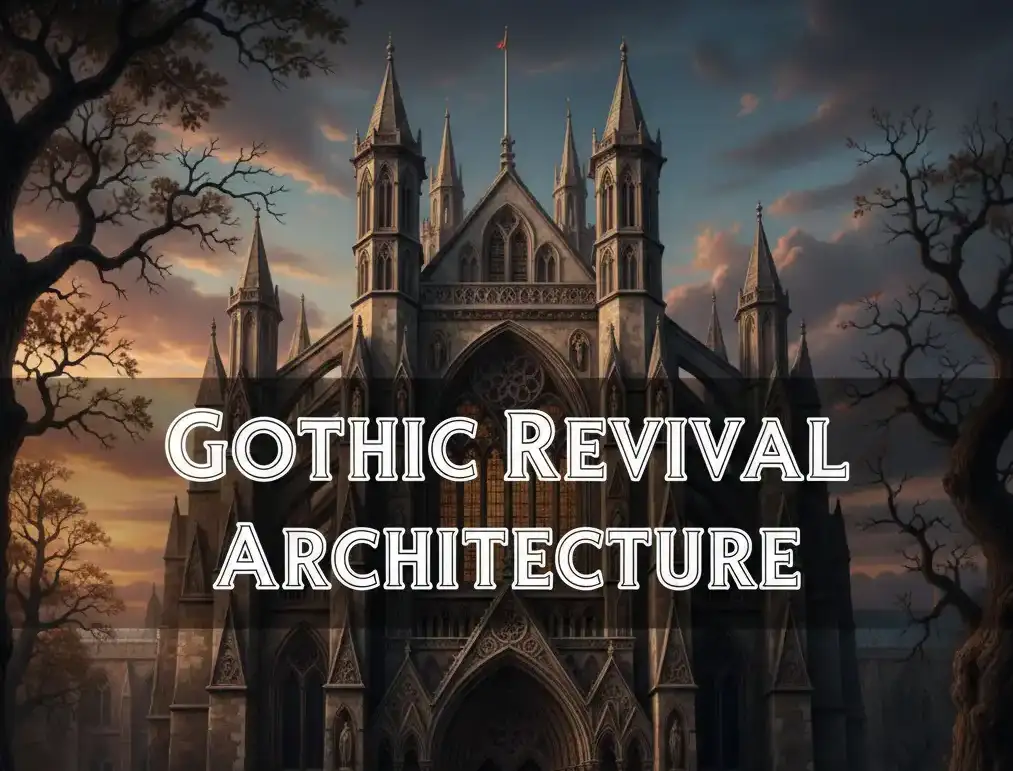
The most common sign of Gothic Revival Architecture is tall towers with stone decorations. The look of this style is romantic. It attracts many people. It became famous in the 18th and 19th centuries. This brought back the beauty of medieval cathedrals to modern cities and towns. It is still liked by modern people. They use its features in their modern building designs.
If you also want to use its features in your buildings. Then it is highly recommended to get help from a top visualization company that provides life-like visuals. It helps to make the right decisions according to your design ideas. For that, you need to read this blog to understand the features in detail.
READ OUR GUIDE TO UNDERSTAND GOTHIC REVIVAL ARCHITECTURE AND ITS FEATURES AND HISTORY!
Gothic Revival Architecture Explained
It was inspired by the old cathedrals and castles. Instead of creating a unique design, the architects brought old designs back. Well, it was not about copying the old buildings. It was about the culture, romance, and spirituality.
In short, they wanted to show people about the past beautiful designs. The movement became popular in the 1800s. This was the time when the Industrial Revolution was changing daily life very quickly. Many people missed the simpler times, but this style came to show their strong values and handmade work.
In Britain, the style became very important. The new buildings were designed in the Gothic revival style by architects. However, it became a famous landmark in London. This shows that this style was good for major public buildings.
Then it became popular in the United States in the middle 1800s. Architects use this style especially for churches and schools. The people of America liked this style because this building provided a sense of history and meaning
Key Features
Pointed Arches
This was one of the most common features. The appointed arches appeared on windows and all over the interior spaces.
As compared to the rounded arches of classical architecture, these pointed ones provided height!
Steep Roofs and Gables
These buildings also had steep roofs. The pointed part of the walls was decorated. This provided a sense of vertical design.
Towers
It also had towers that looked like they were going to touch the sky. These vertical components highlighted the building’s height.
Decorative Tracery
The complex work of stone in windows was common. This was extremely unique, and it formed complex patterns.
Stained Glass Windows
Another important feature was the colourful stained glass windows. They were decorated and usually found in churches. These windows provided stunning light effects inside the building.
Buttresses
These are the external supports that extend from the walls. They were decorated with pinnacles. They were mostly used for decorating the building.
Elaborate Ornamentation
Gothic revival architecture emphasised decoration. You will find:
- stone details
- decorative woodwork
- ornamental ironwork
- sculptural elements
- Gargoyles
- crosses
- floral motifs
Verticality
However, its main focus was also on the height of the building. The buildings were tall and narrow, which provided a look of a grand building.
Types of Gothic Revival Buildings
Churches and Cathedrals
Religious buildings were most common. The most famous examples are:
- St. Patrick’s Cathedral in New York City
- Washington National Cathedral
Educational Buildings
Many universities also use this type of style to provide a serious look. Examples are:
- Yale University
- The University of Chicago
Government Buildings
Various City Halls and other civic buildings adopted this style to provide authority.
Private Homes
It was also famous among mansions. These homes were decorated in their best way.
Commercial Buildings
These buildings include:
- Banks
- hotels
- office buildings
If you are interested in designing your buildings, then get the Best Architectural Rendering Services from a reliable company.
What was the Philosophy Behind the Movement?
- This style was also about ideas and beliefs.
- Architects believed Gothic architecture was better than classical styles.
- They felt Gothic buildings were more honest and meaningful.
- Pugin believed Gothic was the only true Christian style of architecture.
- He thought pointed arches showed spiritual meaning
- Still, it appealed to people living during industrialization
- Gothic Revival reminded people of beauty, hand-made craftsmanship, etc.
Modern Influence
However, this style was most popular in the 1800s. After 1900, new styles came and became popular. But it never fully disappeared. Many churches and university buildings are still inspired by this style. The Gothic revival shows people about popular culture. Plus,
- Gothic Revival also influenced by art.
- Gothic novels with thriller themes became very popular.
- Even today, architects are inspired by its romantic look.
Conclusion
Gothic Revival architecture tells us about the time when people looked forward to improving the future by bringing back the medieval styles that architects designed and built beautiful buildings. People are still inspired by them. From large buildings to small cottages, these types of structures attracted people because of their features. This shows that architecture is not just about life or work. It also shows your beliefs and dreams. The best recommendation is to get renderings and decide according to your ideas.