What Makes Yacht Visualization Essential for Marine Designers?
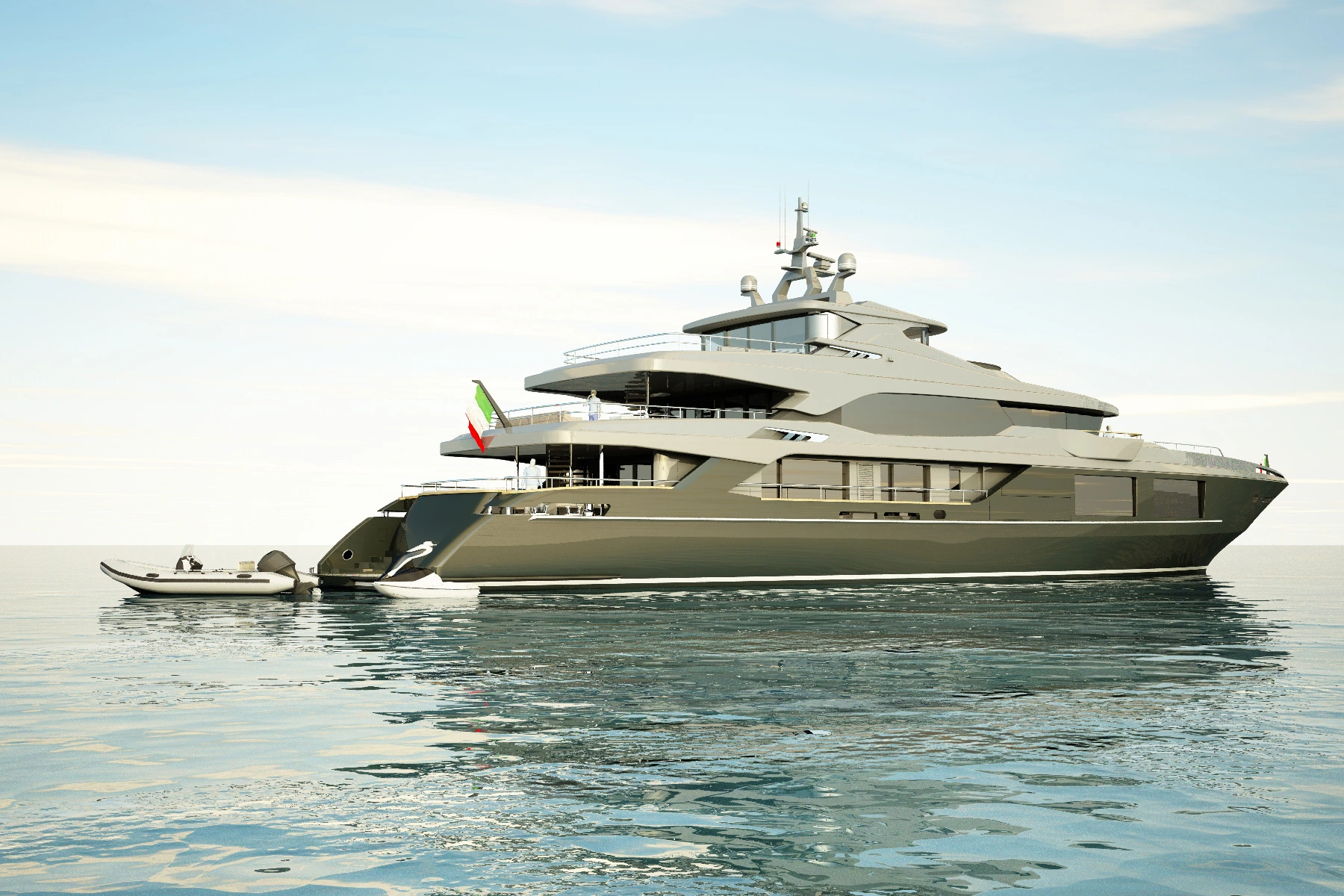
Yacht visualization is essential for marine designers because it shows a yacht in lifelike 3D before any steel, aluminum, or carbon is cut. Yacht visualization helps designers find layout and style mistakes early, wins faster approval from owners, gives the shipyard one clear picture to build from, and starts sales long before launch of the yacht. On a build worth millions, every early fix saves real time and money.
This guide covers what yacht visualization includes and where it fits in each stage of a build. It also covers what makes marine work hard to render, what the latest research shows, and where its limits are.
What Is Yacht Visualization in Marine Design?
Yacht visualization is the use of 3D models, renders, animation, and virtual reality to show how a yacht will look and feel before it is built. Yacht visualization starts with a 3D model made from the designer’s drawings. Artists then add materials, light, sea, and sky to create still images, short films, or scenes a client can walk through.
Each type does a different job:
| Type | What it shows | Best used for |
| Yacht exterior rendering | Hull, profile, and decks on the water | Concept approval, brochures |
| Yacht interior rendering | Salons, cabins, the owner’s suite | Locking in layout and finishes |
| 3D animation | The yacht moving, cameras flying through decks | Launches, investor decks |
| 360° panorama | One room seen in every direction | Quick online reviews |
| VR yacht walkthrough | Full-size walk-through of every deck | Checking space, headroom, and flow |
| Real-time configurator | Colors and finishes swapped live | Custom builds and sales |
Most small and mid-size design studios don’t keep a full CGI team in-house. Many outsource 3D modeling services to turn flat plans into a clean, accurate model. The in-house team then stays focused on design.
Why Do Marine Designers Treat Visualization as a Must-Have?
Marine designers treat visualization as a must-have because it lowers risk at every step. Visualization catches errors early, builds owner trust, keeps builders aligned, and starts sales sooner.
Each benefit is covered below.
3D Catches Design Problems Before the Build
3D shows problems that flat drawings hide. A staircase that looks fine on a general arrangement (GA) plan can feel tight at eye level. A window line that looks sleek in side view can look heavy from the dock.
In practice, the most common catches are:
- Low headroom under beams and in crew areas
- Blocked sight lines from the helm
- Doors that swing into furniture
- Tight access to the tender garage
- Upper decks that look bulky from a three-quarter view
The cost gap is huge. Moving a wall in a 3D file takes an hour. Moving it after the woodwork is built takes weeks and a new budget.
A 2025 study by a University of Turku team in the journal Multimodal Technologies and Interaction tested VR design reviews on a live cruise ship build with four interior companies. Reviewers were able to judge designs better in VR than with older methods, and virtual mock-ups saved material compared with physical ones.
When an in-house team is short on time before a design review, outsourced 3D rendering services fill the gap. These expert services turn a raw model into clear review images in days.
Help Owners Approve the Design Faster
Clear images get faster yeses. Most owners can’t read technical drawings. A lifelike render answers “What will my cabin feel like?” in seconds.
Owners pick between teak decking options, stone types, or fabric colors by looking, not guessing. That means fewer meetings and fewer late change orders. Late change orders are one of the hardest parts of any custom build, and good visuals cut them down.
Keep the Shipyard and Suppliers on the Same Page
One shared 3D model gives everyone the same picture. The interior outfitter, the lighting designer, and the yard all work from one image instead of their own reading of a drawing.
Lighting is a good example. A render shows exactly where hidden ceiling lights fall and whether they glare on a glossy panel. That gets fixed on screen, not on board.
Help Sell a Yacht Before It Is Built
Builders sell many yachts before they exist. Renders and films fill brochures, websites, and show screens long before launch.
The stakes are high. The latest Deloitte and Confindustria Nautica yachting market report, presented in May 2026, shows:
- The global superyacht order book held 677 units in 2025.
- That order book was worth about €29 billion in 2024.
- Demand in 2025 shifted toward yachts over 50 metres.
Bigger yachts mean more custom choices. More custom choices mean more need for clear visuals before a contract is signed.
For launches and shows, many builders bring in 3D animation services. A short film of the yacht at sea holds attention on a crowded stand at the Monaco Yacht Show far better than a still image.
Where Does Visualization Fit in Each Stage of a Yacht Project?
3D visualization has a job at every stage of a yacht project, from first sketch to sea trials. Here is how the marine design process uses it:
| Stage | Visuals used | Problem it solves |
| Concept | Quick shape renders, side views | Picks a style direction early |
| Layout | 3D floor plans, cutaway views | Tests space and flow |
| Interior design | Detailed interior renders | Locks in materials and lighting |
| Engineering and build | Shared model, VR reviews | Finds clashes with pipes and wiring |
| Marketing and sale | Animation, 360° tours | Sells before launch |
| Refit | Before-and-after renders | Shows owners the planned change |
Refit work is often forgotten. A render of the new layout next to the old one helps owners approve changes to a yacht they already know well.
What Makes Marine Rendering Harder Than Building Rendering?
Yachts float, curve, and shine, and each of the following makes rendering harder. A studio that only does houses often misses these details:
- Water: The sea must react to the hull with wake and reflections. A wrong waterline makes a boat look overloaded or like it floats on top of the sea.
- Curved hulls: Hull surfaces bend in two directions at once. A low-detail model shows flat facets in the reflections.
- Gloss paint and steel: Shiny surfaces show every flaw. They need PBR materials and a real HDRI sky to reflect correctly.
- Scale: People, chairs, and tenders must be the right size, or the yacht looks smaller than it is.
- Light at sea: Hard midday sun and sunset glow look nothing like studio light.
A common tool stack is Rhino for hull shapes, 3ds Max or Blender with V-Ray or Corona for stills, and Unreal Engine for real-time and VR work.
Here’s a quick test: Ask any studio for a close-up of a hull where it meets the sea. That one shot tells you most of what you need to know about their skill.
What Can’t Yacht Renders Do?
Renders show how a yacht looks. They do not prove it floats, stays stable, or meets safety rules. Naval architects still run the stability and float checks. A classification society, the group that confirms the build meets safety rules, still has to approve the structure.
Keep these limits in mind:
- Looks can hide weight: Big glass walls and heavy stone look great but add weight high up. Check the numbers, not just the picture.
- Output matches input: A render is only as accurate as the model behind it. The Turku study saw that the VR software’s image quality fell short for some reviews, and closing that gap needed extra work preparing the models.
- Sales renders are not promises: Label marketing images as an “artist’s impression” in sales papers. This avoids disputes when a final finish differs.
How Do You Choose the Right Partner for 3D Yacht Rendering?
Pick a team with real marine work, not just buildings. Check for:
- A portfolio with close-ups of hulls, decks, and cabins
- Staff who can read naval drawings without hand-holding
- A clear number of revision rounds in the quote
- A signed NDA, since yacht owners value privacy
- File formats that match your design software
- VR or real-time skills if your clients want walkthroughs
Final Thoughts
Yacht visualization pays for itself the first time it catches a layout mistake before the build starts. It shortens owner approvals, keeps every trade working from the same picture, and gives the sales team images to work with months before launch. For any designer working on a custom yacht in 2026, 3D visualization is a core part of the design process, not an extra.
Frequently Asked Questions
Q1: How long does a yacht render take?
A single still image usually takes a few days once the 3D model is ready. A short animation takes a few weeks. The biggest factor is the model itself. Clean, complete files speed things up, while missing details lead to extra rounds of questions. Planning renders around fixed dates like an owner meeting or a boat show keeps the schedule on track.
Q2: Is 3D yacht rendering only for superyachts?
No. Production boat builders, catamaran brands, and tender makers use it too. Smaller builders often use renders for websites and online color pickers so buyers can pick finishes before ordering. Only the level of custom detail changes, and superyacht projects simply need more custom views.
Q3: Can renders replace full-size test builds?
Partly. For layout, space, and overall look, VR reviews cut the need for full-size test builds. For touch and feel, they fall short. Owners still want to hold real wood, leather, and stone samples. The best approach uses both: VR to settle the layout, then physical sample boards to approve the final materials.
Q4: How many revision rounds are normal?
Most projects plan for three rounds. The first checks the shape with plain gray images. The second checks materials and colors. The third polishes lighting and fine details. Setting this plan at the start keeps costs fixed and stops late surprises.