Baroque Architecture: Definition, History, Key Types, and Modern Trends
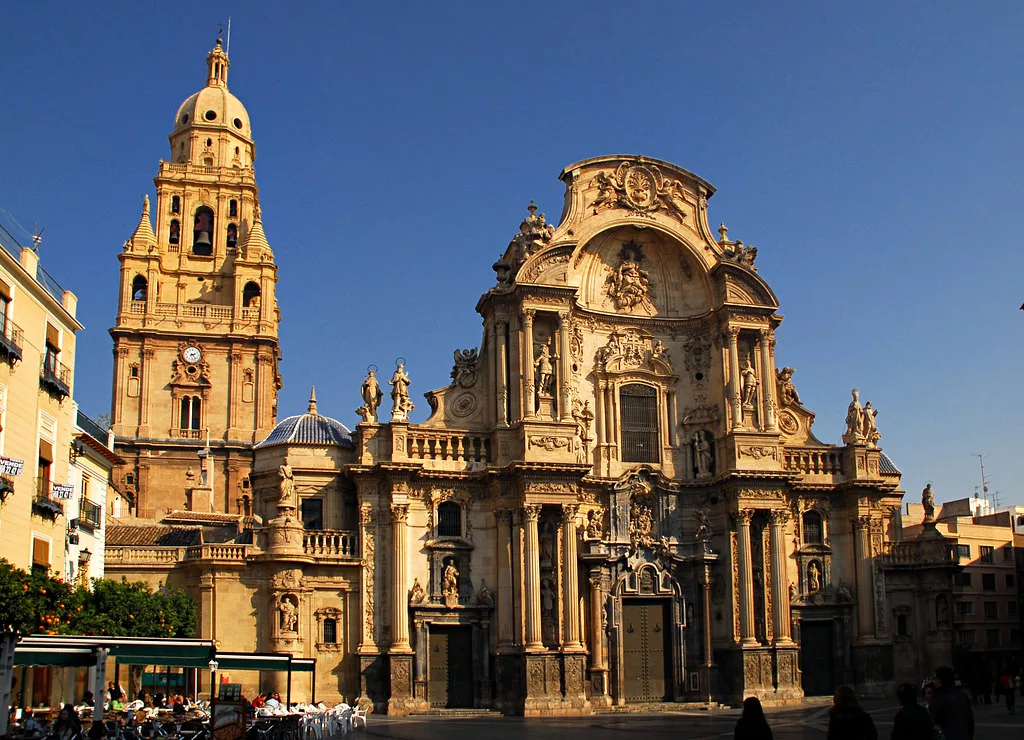
Baroque architecture gained popularity in the late 16th century. It was popular because the style was bold. These types of buildings were made to impress people. Plus, they also wanted to show power and create strong emotions. The architects used grand shapes and rich details. The purpose was to make the spaces more exciting and full of life.
Various modern architects combine different ideas to make a unique style. Things have become easier now because they outsource Architectural Rendering Services to reliable companies. They provide 3D images and animation of the ideas. This helps them make the right decisions.
READ OUR GUIDE TO EXPLORE THE SHORT HISTORY, TYPES, AND MODERN TRENDS OF THE BAROQUE ARCHITECTURE!
What is Baroque Architecture?
Baroque Style Architecture focuses on drama, movement , and depth in ornate detail. The style developed as part of the Catholic Church’s Counter-Reformation push to forge spaces that would inspire religious devotion. Unlike the basis on mathematical relationships and sense of order and tranquillity in Renaissance architecture, Baroque architects overcome complexity and contrast, in forms that seemed to be alive.
The term “Baroque” is thought to stem from the Portuguese word “an uneven or irregular pearl.” This is one of the most beautiful styles. Its main focus is on decoration and fancy details instead of simple architecture.
Short History
The Baroque period spans 1600 – 1750, with some effects felt before and after these dates in some areas. In Rome, the Baroque style was first developed, and churches and public buildings were built in the style by the prominent architects such as Carlo Maderno, Gian Lorenzo Bernini, and Francesco Borromini.
From Rome, Baroque Architecture styles spread to the rest of Catholic Europe. Plus, from Spain to southern Germany, the style was changed into the local culture.
However, in France, the style was more classical. It is seen in the Palace of Versailles. In Latin America, the style of Baroque was Spanish colonial and incorporated with local indigenous artistic traditions.
Baroque style was that type of architecture which was more than personal taste, as it was used in the political and religious realms. It was used by the absolute power of Monarchs and the Catholic Church to showcase power, wealth, and domination. It was intended to elevate the people who visited these buildings and demonstrate the power of the patrons by building on a very large scale and using expensive materials.
Different types of architectural styles
Religious Buildings
St. Peter’s Basilica in Rome is a famous example. It started in the Renaissance. It was completed in the Baroque period.
Two other churches in Rome that show the dramatic Baroque style are:
- Sant’Andrea al Quirinale
- San Carlo alle Quattro Fontane
These churches consisted of:
- grand altars
- dramatic lighting
- painted ceilings
These features use rich materials. They were joined together to create a powerful and religious experience.
Palaces and Civic Buildings
Baroque architecture was used by powerful kings. They used to design their palaces. The main purpose was to show their power. The Palace of Versailles is the most famous example. It consists of:
- Hall of Mirrors
- huge gardens
- decorations
Other great examples include these buildings:
- Würzburg Residence in Germany
- The Winter Palace in St. Petersburg
- The Royal Palace of Madrid.
Urban Planning
Baroque architects would redo entire cities. Dramatic views, wide streets, plus public spaces were added. In the changes made to Rome by Pope Sixtus V, straight roads were built to link the main pilgrimage churches with fountains that broke the lines of sight.
Modern Trends and Baroque Influence
Neo-Baroque Revival
Baroque Revival happened late 19th and early 20th centuries, particularly in public buildings, opera houses, and houses of government. The historicist approach borrowed Baroque grandeur to convey the importance of the institution or house it was representing, and add some cultural prestige.
Contemporary Interpretations
Elements of the Baroque are often employed by contemporary architects in the design of luxury hotels, theaters, and retail spaces where a dramatic environment has direct commercial application. Digital design permits curved forms and elaborate ornament that recall Baroque complexity in entirely new circumstances.
Conservation and Travel
Baroque structures stay huge vacation spots and social fortunes. Associations overall work to save these structural show-stoppers. They are remembered as significant pieces of building legacy. Cities with significant Baroque architecture include:
- Prague
- Vienna
- Rome
All the design planning is done through the use of special rendering software. Architects design spaces and showcase them virtually to their clients. A professional Architectural Visualization Company assists AEC experts in designing their spaces and getting faster approvals.
Conclusion
The Baroque architecture is one of the greatest efforts in history to achieve the emotional resonance of the built environment. Its heritage goes beyond the historic buildings that remain to this day and affects our thoughts on the ability of architecture to engage and bring about a strong reaction.