Mannerism Architecture: Definition, History, Key Types, and Modern Trends
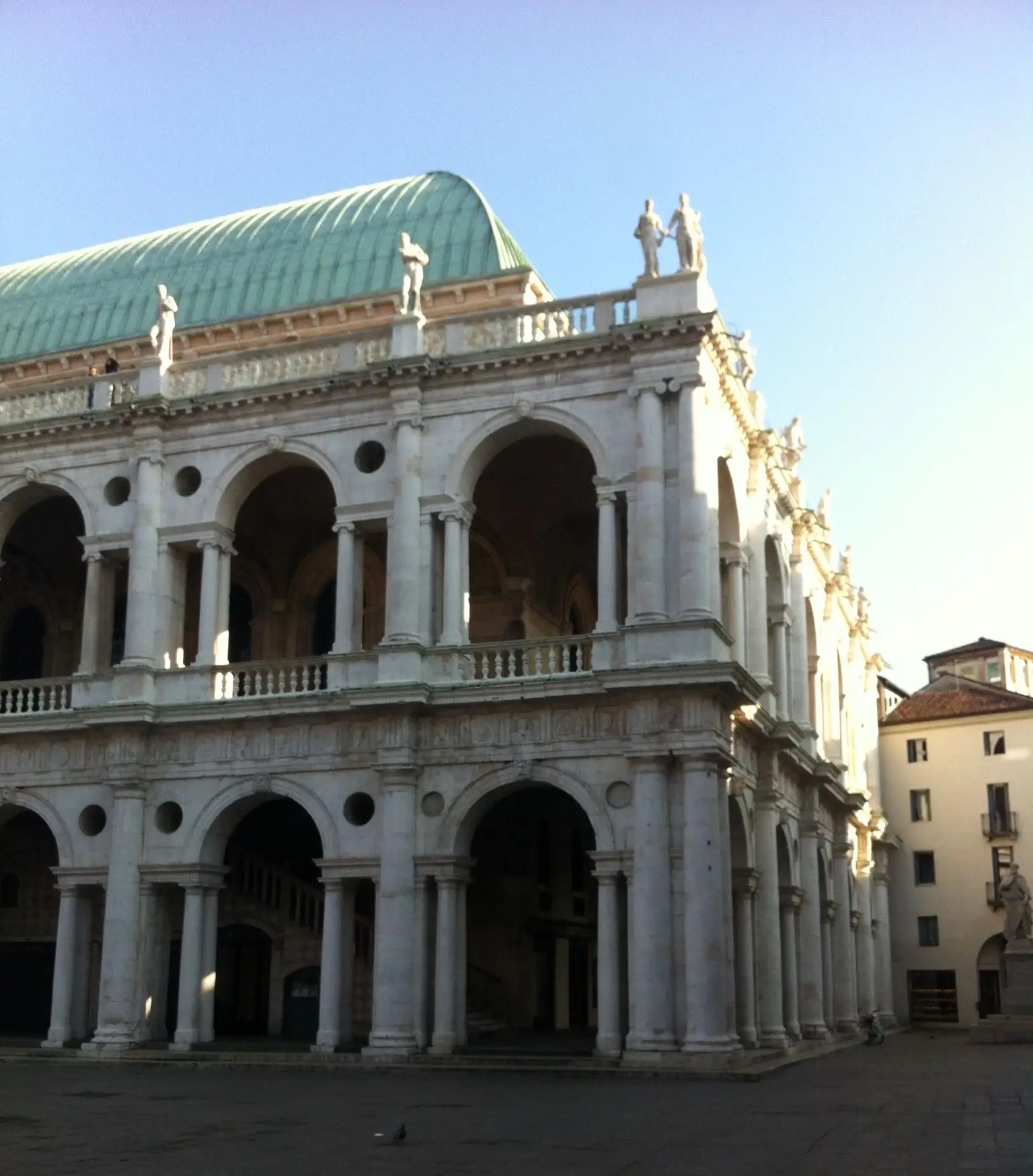
Mannerism architecture is one of the best styles in the history of Europe. It became famous after the Renaissance. It used to provide an exciting and beautiful look. This type of style opened doors for creativity. Even today, modern architects are inspired by Mannerism Architecture.
Various architects combine the old and new styles to create a new one. The ideas of Mannerism are one of the most demanding styles. That is why they outsource Architectural Rendering Services to experienced companies. Their visualizers provide realistic images and videos to the clients.
What Is Mannerism Architecture?
Mannerism architecture is a style developed in the early 16th century in Italy. At that time, Mannerism ideas were the opposite of the Renaissance.
Architects began experimenting with unusual shapes, dramatic details, stretched proportions, and unexpected design choices.
Mannerism architecture used classical rules and twisted them to create something more dramatic.
Short History
1. Origin
Mannerism Architecture Styles came into being in the early 1520s in Italy. It started when artists felt that the Renaissance had reached perfection. They wanted to try new things and styles.
2. Influence of Political and Social Change
These years were full of wars and political issues. Due to this stress, artists started showing more emotion and complexity. Such feelings are clearly seen in the Mannerist buildings.
3. Spread Across Europe
In the late 16th century, Mannerism had spread to France, Spain, the Netherlands, and Central Europe. Each area was designed with its own creativity.
4. Transition to the Baroque Style
Mannerism later developed into the bold and showy Baroque style. Many Baroque features were the result of creative Mannerist architects. It had:
- curved shapes
- dramatic spaces
- strong emotional effects
Different types of architectural styles
Mannerism architecture was famous because it never followed the rules. Let’s discuss the features of Mannerism Style Architecture:
1. Distorted Proportions
Renaissance buildings were constructed by following the perfect mathematical rules. However, the design of Mannerist buildings included stretched, squeezed, or altered sizes.
2. Decorative Details Used in Unusual Ways
Columns and arches were classical elements. Mannerists used them totally opposite on purpose. For example:
- A broken pediment
- A window frame that is too large
- Columns placed in unexpected positions
3. Complex, Dramatic Facades
Instead of flat exteriors, Mannerist buildings have:
- Layered surfaces
- Strong contrasts
- Deep shadows
- Playful ornamentation
4. Emotional and Theatrical Atmosphere
The buildings looked dynamic. The architecture creates a mood rather than following strict rules.
5. Use of Illusion
Some architects liked to trick the viewers by adding fake perspectives. This helps to create the spaces deeper and taller.
Key Types of Mannerist Design
You can recognize Mannerism architecture through a few main categories:
1. Urban Palaces
Many Italian cities consist of Mannerist palaces. It had bold façades and unusual windows. The main features are:
- rusticated stone
- deep window frames
- dramatic entrance designs.
2. Churches and Chapels
Religious buildings copied stretched designs. The focus was also on the decorative elements. Interiors often feel theatrical. It guided the visitors toward domes.
3. Garden Architecture
Mannerist gardens included:
- Artificial grottos
- Sculptures
- Trick fountains
- Labyrinths
4. Civic Buildings
Town halls and courtyards showed creative exteriors and unusual decorative patterns. It combined classical features with exciting features.
Famous Examples of Mannerism Architecture
- Palazzo del Te, Mantua, is designed by Giulio Romano. It is full of dramatic decoration.
- Laurentian Library, Florence was designed by Michelangelo. It is known for its bold staircase and unusual interior elements.
These buildings show how Mannerism used creativity. A professional Architectural Visualization Company provided the life-like visuals of the desired design.
Modern Trends Inspired by Mannerism
Even though Mannerism is a historical style. But the ideas of this style still influence modern architecture. Today, designers often use these concepts:
1. Breaking Traditional Rules
Many modern architects enjoy bending standard forms.
- Attractive Designs
Modern buildings include different features. It includes:
- bold shapes
- unusual facades
- creative geometry
This shows Mannerist experimentation in the buildings.
3. Playful Use of Space
Some architects design spaces that surprise visitors. The architects used different angles and tricks.
4. Mix of Old and New Elements
Modern buildings also combine classical features with modern elements. This shows the exciting features of Mannerism.
5. Sculptural Architecture
The idea of constructing the buildings is a mixture of art and functional features. This idea came from the Mannerist way of thinking.
Conclusion
Mannerism architecture is like the combination of the peaceful features of the Renaissance and the dramatic features of the Baroque. It is creative and bold for the visitors. The main purpose was not to follow the rules. Even today, architects around the world follow the Mannerist style. Plus, people love to experiment with different concepts. However, this proves that creativity never goes out of fashion.