
Mughal Architecture Explained: Elements, Materials, and Influence
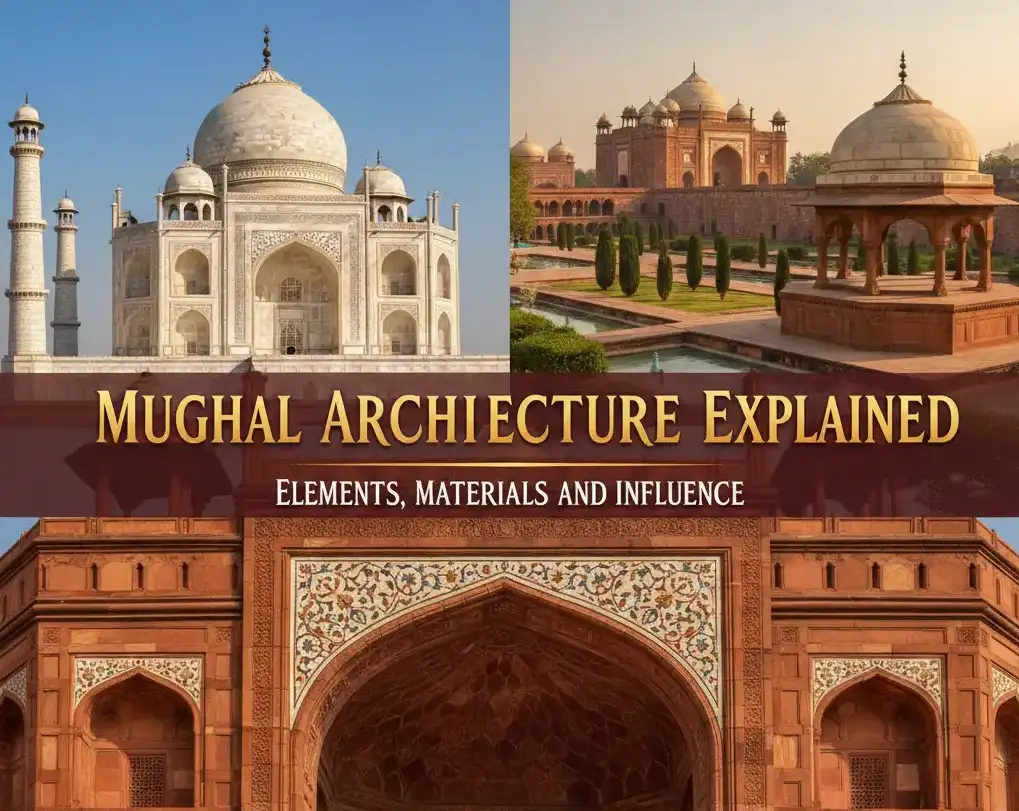
Mughal architecture is one of the most favourite architectures in world history. It represents a stunning effect of the cultural traditions. It became popular all over the Indian subcontinent.
It was covered under the era of the Mughal emperors. Persian and Indian styles were the main focus for creating beautiful structures. It still influences millions of visitors with its modern design. That is why they hire experts to achieve Realistic Architectural Rendering Services from a reliable source. These experts provide life-like visuals of the interior and exterior parts of the projects.
READ OUR GUIDE TO LEARN ABOUT MUGHAL ARCHITECTURE ELEMENTS, MATERIALS, AND INFLUENCES!
The Genesis of a Unique Style
This architecture was taken from some of the complex cultural influences. Early Mughal architecture developed from existing Indo-Islamic architecture.
The development of this style came in phases. The tomb of the emperor Humāyūn at Delhi inaugurated the new style.
However, it was during the reign of Akbar that Mughal architecture truly came into its own!
Defining Architectural Elements
Domes and Arches
The most famous element of this style was the bulbous dome. It was large and shaped like onions.
The use of the double dome became typical of the Shah Jahān period. This helped to achieve an enhanced look. Plus, the pointed four-centered arches created graceful openings and elegant façades throughout Mughal buildings.
Balance
The balance between the parts of a building was always stressed.
Buildings were designed around a central axis. It had balanced mirror layouts that focused on order!
Decorative Features
The Mughal architecture types included:
|
Architectural Element |
Description |
Origin / Purpose |
|
Chhatris |
Elevated and dome-shaped pavilions placed on rooftops | Borrowed from Hindu traditions |
|
Minarets |
Tall towers |
were used for the Islamic call to prayer |
|
Jalis |
Perforated stone screens |
Allowed ventilation and created beautiful light-and-shadow effects |
| Iwans | Large vaulted halls open on one side |
used to create grand entrances |
Gardens Features
The Chahar Bagh garden was designed in a four-part layout. It is inspired by the four gardens of Paradise described in Islamic belief.
These gardens were usually square or rectangular. It consists of:
- straight pathways
- pools
- fountains
- flowing canals connecting different areas
Materials
The choice of materials in this type of architecture showed both practical and aesthetic considerations. Depending on the Best visualization company, you can succeed in creating the desired designs.
Red Sandstone
Red sandstone replaced brick in earlier times. It was considered ideal for the complex carvings. Special local Indian stonemasons worked hard because they were skilled at creating the best designs.
White Marble
White marble was considered one of the best building materials.
The Taj Mahal is the best example of marble. The surface reflects the light that changes throughout the day.
Pietra Dura
It was used for decoration that involved creating pictorial mosaic work. It consisted of polished stones.
The interior of the Taj Mahal has the finest pietra dura work.
Other Decorative Materials
The Mughal builders also utilized:
- Decorative tilework
- Semi-precious stones
- Gold and silver
- Colored stones
Cultural Importance
Persian and Central Asian Influences
Features of Persian influenced the use of:
- domes
- the pointed four-centred arch
- decorative tilework
- various other motifs and building layouts
Islamic Elements
The Islamic culture was inspired by the calligraphy. It consisted of the verses from the Quran.
Plus, the geometric patterns were taken from Islamic mathematics.
Hindu and Indian Influences
Hindu influences include:
- the use of trabeate constructions,
- the use of corbel arches
- style of ornately carved pillars
Bengali and Regional Elements
The do-chala roof was adopted into the Mughal design. This shows that this style wanted to use architectural traditions into their broader stylistic vocabulary.
Influence and Legacy
The effects of Mughal architecture surpass the limits of time and space connected to the empire. Mughal architecture has influenced many styles of architecture in the Indian subcontinent and has also shaped colonial architecture. It also inspires contemporary South Asian architecture.
The use of multiple cultural influences formed by Mughal architecture created both functional and aesthetically pleasing spaces. From larger structures like The Taj Mahal and The Red Fort to smaller structures like pavilions in the gardens and mosques. Mughal architecture created a cultural and historical legacy in India that is deeply significant.
Conclusion
Today, these buildings are still liked by modern people. They are inspired by the features. However, this type of architecture is a complete combination of the creativity of skilled artists. Several Mughal buildings are the inspiration for generations to come. If you also want to add such features to your buildings. You must get help from expert visualizers!