Japanese Traditional Architecture: Key Styles, Features, and Cultural Significance
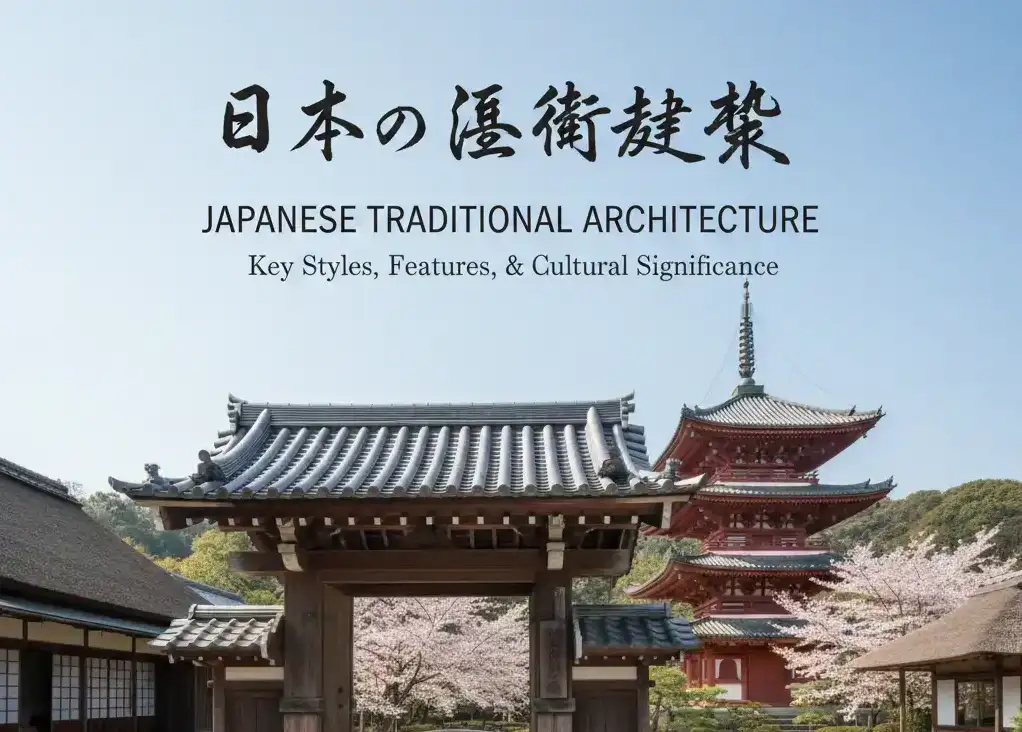
Japanese traditional architecture is one of the rich and different types of style. It has been more than 1000 years since Japanese builders and architects created structures. They combine functionality with aesthetic beauty. Their purpose is to show cultural values and the connection with nature. Old temples and farmhouses are popular. These buildings tell stories of their creativity. It is still influencing modern people.
If you are also inspired by this style. You can add some or all of its features to your building design. The famous method to get expert help from a realistic architectural rendering services provider. These services are prepared through advanced software to provide three-dimensional images and animation according to your ideas.
THIS ARTICLE EXPLAINS JAPANESE TRADITIONAL ARCHITECTURE, ITS KEY STYLES, FEATURES, AND CULTURAL SIGNIFICANCE!
Historical Foundations and Key Architectural Styles
Japanese traditional architecture changed over the years. This style always had some purposes. It was inspired by:
- indigenous beliefs
- Chinese architectural principles
- the demands of Japan’s climate and geography
Temple Architecture (Tera-zukuri)
Buddhist temples were first introduced to Japan in the 6th century. They were one of the best examples of traditional architecture.
In these structures, multiple buildings are arranged within a compound. It may include:
- The main hall (hondo)
- Pagodas
- Gates
- bell towers
These buildings normally have:
- curved rooflines
- ornate brackets
- vibrant vermillion pain
Shrine Architecture (Jinja-zukuri)
Shinto shrines are one of the architectural types that came before Buddhist temples. They are a part of Japan’s original building tradition.
The most famous shrine is the Ise Grand Shrine. However, it is rebuilt every twenty years using old building methods.
This helps in keeping the shrine strong. The design of the Shinto shrine is very simple and closely connected to nature.
Natural materials are used, and decorations are kept very simple. The features of Shinto Shrine Architecture are:
- Has thatched or wooden roofs
- Floors are raised above the ground
- The torii gate marks the sacred entrance
- Strong connection to nature and surroundings
Residential Architecture
Old Japanese homes were designed according to the country’s climate and social customs.
- Minka farmhouses had thatched roofs, earthen floors in work areas, and raised wooden floors in living spaces.
- Machiya were found in urban centers like Kyoto. They had narrow and deep structures.
- Shoin-zukuri was developed for the residences of samurai. This design introduced features that became the highlights of Japanese architecture. It includes:
- tatami mat flooring
- fusuma sliding doors
- shoji screens
- tokonoma alcoves
- coffered ceilings
Outsourcing to the Best visualization company for designing your buildings can help you prevent a lot of errors. This helps in investing the money and time in the right thing!
Castle Architecture
Japanese castles were built for defensive functionality with beautiful architectural design. However, these types of structures had:
- massive stone foundations
- white plastered walls
- multiple stories with curved roofs
- strategic defensive elements
Architectural Features
Natural Materials
Wood is the main material used in these buildings. The most special is Japanese cypress (hinoki).
This wood is reliable because it is strong and has a pleasant smell. Plus, it has a natural and beautiful texture.
Key features include:
- Hinoki wood is durable and long-lasting
- It has a natural fragrance and smooth grain
- No nails or screws are used in construction
In traditional buildings, builders used special interlocking wooden joints. These joints fit together perfectly. They hold the structure tightly. Master carpenters spend a lot of their time perfecting this technique.
This method helps because:
- Buildings can resist earthquakes better
- Wood can expand and contract naturally
- The structure stays strong without cracking or breaking
Relationship with Nature
Japanese architecture did not try to use natural things excessively. They wanted to keep the balance in everything.
Buildings were carefully designed so people can enjoy natural views. Architects wanted to feel connected to their surroundings.
Key ideas include:
- Rooms are arranged to frame views of gardens
- Nature is treated as part of the building, not something separate
The line between inside and outside is kept unclear. This is done using simple design elements that connect both spaces.
The following features support this idea:
- Sliding doors that open spaces to the outdoors
- Deep roof eaves that create shaded, in-between areas
- Transitional spaces that feel neither fully inside nor outside
Modular Design and Flexibility
Traditional Japanese homes use tatami mats. It was the same size, and spaces were easy to arrange and change when needed.
How this system works:
- Tatami mats act as a measuring unit for rooms
- Rooms are designed in multiples of mat sizes
- This creates a simple layout
Homes were also made with fusuma and shoji screens. These were the lightweight sliding panels. It allows rooms to change shape.
Main benefits of this design:
- Rooms can be opened or divided easily
- One space can be used for many purposes
- Homes adapt well to limited space
Major design elements
Some of the major design elements are:
- Post-and-beam construction
- Elevated floors
- Deep eaves
- Engawa (verandas)
- Shoji screens
- Tokonoma alcoves
- Asymmetry and subtle refinement
Conclusion
Japanese traditional architecture is a combination of various building techniques. It focuses on nature, mindful attention to materials, and creativity. From roofs to old temples, these structures are still offering lessons in beauty and meaningful design. If you also want to build with such designs, you can get expert help.