What Is Islamic Architecture? Types, Design Elements & Examples
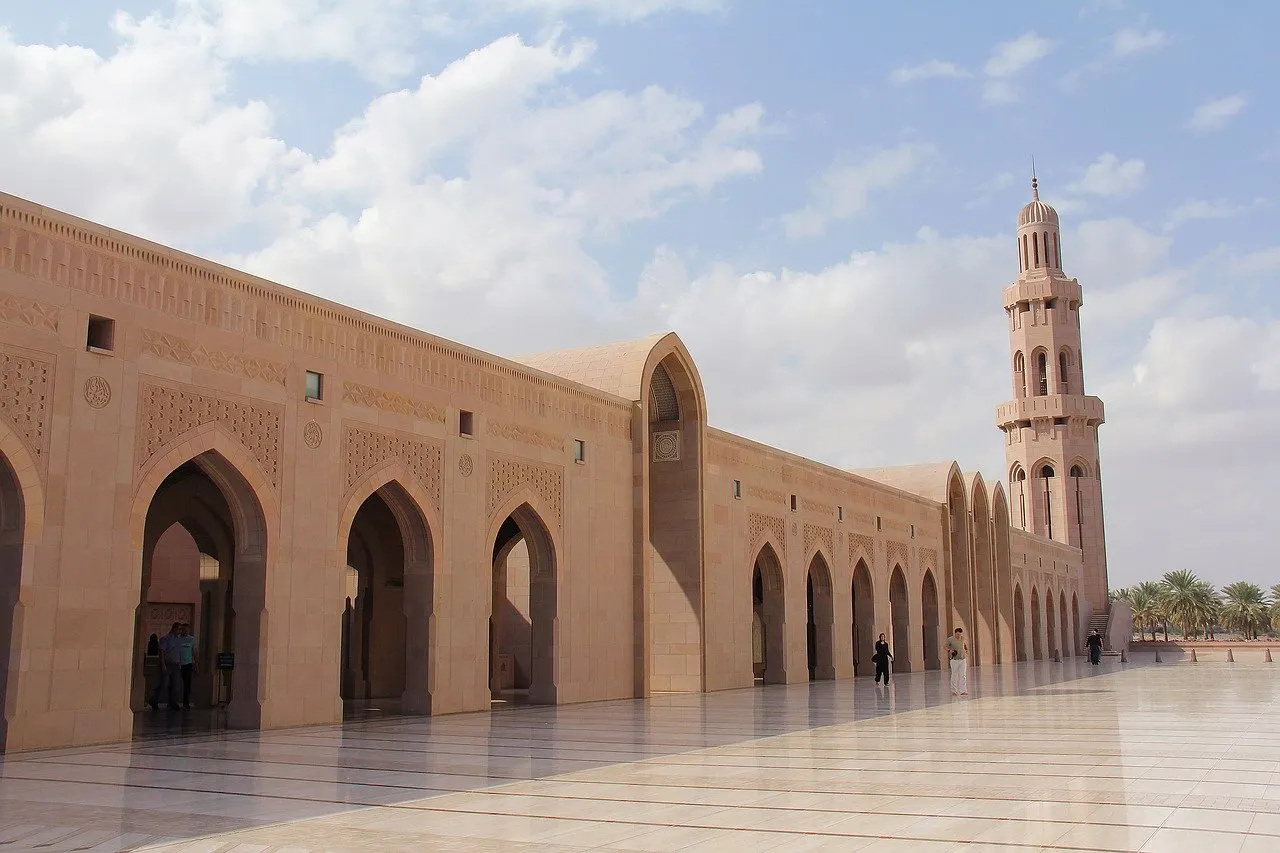
Islamic architecture is one of the most unique and beautiful architectural styles. It is over 1,400 years old and is popular from Spain to Indonesia. Mainly, it was designed to showcase the religion of Islam. Because the style reflected the religious effect of Islam and culture. However, this type of architecture helped in creating spaces that emphasised spiritual needs.
In the older times, the styles were decided through manual design methods. It used to take too much time to decide. But now, this design phase has become quite easier. With advanced rendering software, building owners can easily design their spaces. By relying on expert Architectural Rendering Services, they get a life-like look of the building before the construction process starts. This helps in combining old and new designs.
DIG INTO THIS GUIDE TO LEARN ABOUT THE TYPES, DESIGN, AND EXAMPLES OF ISLAMIC ARCHITECTURE!
Defining Islamic Architecture
Islamic architectural styles are totally connected with the Islamic culture. It is associated with this from the 7th century. Plus, it did not stick to only one type of design. It changed throughout these years. However, this type of architecture served various functions such as:
- religious worship
- civic administration
- Education
- domestic life
The unique style of Islamic architecture quickly emerged after 622 CE. The Islamic culture expanded because there was an urgent need to build new structures. It includes:
- Mosques
- government buildings
- other community spaces
To achieve that, Islamic builders took ideas from the style of Byzantine, Persian, and Roman architecture. However, they combined their ideas with the styles of the discussed architecture.
Core Design Elements
Geometric Patterns
Islamic-style architecture is known for its geometric patterns. The main purpose was to show the Islamic values like unity. These types of patterns were based on circles and squares. The patterns were known as tessellations. They were designed to fit together without gaps. However, the concept of patterns showed the symbol of the infinite nature of God in Islam. To create these complex patterns, one has to understand the geometry and maths fully.
Calligraphy and Inscriptions
Arabic calligraphy was one of the most favourite decorative elements in Islamic architecture. It converts religious writings into beautiful visual art. That means the verses and Arabic were used to cover the walls and domes. Plus, they also make the building look aesthetic.
Arabesque Decoration
Arabesque is the decoration used to showcase the life of plants. The leaves and the flowers were used in style and then arranged in some patterns. However, these natural designs were also common that resulting in a complex effect.
Domes and Vaults
Domes were also the most important features of Islamic architecture. Engineers developed different methods for constructing large domes. They were decorated with complex patterns.
Minarets
Minarets are the long towers from which the call to prayer is announced. They are built vertically, the purpose is to showcase the presence of Islamic presence.
Courtyards and Water Features
Internal courtyards provide private open spaces. Water is the main element used in Islamic buildings. It gives a refreshing look to the space.
Mashrabiya and Muqarnas
A Mashrabiya creates a wooden latticework screen. It helps the air to move around freely to cool the interior. Plus, the privacy is also maintained. The Muqarnas is a 3D decorative element. It is used to create beautiful and complex surfaces. They are present on the undersides of domes, vaults, etc.
Today, in this modern design world, people get help from a reliable Architectural visualisation company that provides realistic 3D views. The view contains colours, materials, and other details. That is why they look real.
Different types of architectural styles
Mosques
The mosque is one of the most important building types in this architectural style. These prayer spaces include:
- a qibla wall
- a mihrab
- a minbar
Madrasas
These are built for educational purposes. It is a teaching space that is also connected with residential quarters.
Madrasas include:
- A central courtyard surrounded by iwans
- cells for students
Palaces and Fortifications
Islamic builders built complexes that showed political power. These types of buildings include the following features:
- elaborate gardens
- multiple courtyards
- richly decorated reception halls
- private quarters
Hammams
These are the public bathhouses. These structures include:
- Heating systems
- water systems
Regional Styles and Notable Examples
Arabian Architecture
The Dome of the Rock consists of the golden dome, which is the best feature.
Persian Architecture
The Shah Mosque shows Persian architectural achievement. It consists of the best blue tile work, massive iwans, etc.
Moorish Architecture
The Alhambra palace complex is one of the best examples of Moorish architecture. The best thing was its:
- stucco decoration
- Pools
- intimate courtyards
Mughal Architecture
The Taj Mahal shows the style of the Mughals. It consists of:
- perfect symmetry
- white marble with semi-precious stones
- gardens representing paradise
Final Words!
Islamic architecture is a true example of human creativity. The styles and decorative things make it unique. This style has inspired multiple countries to build their structures. Still, in this modern architecture, this style is famous and combined with a contemporary touch!